A New Hobby After Retirement:Creative Ideas Worth Trying
Retirement can be the beginning of a lovely new chapter.
Watch the silk painting demoRetirement can be the beginning of a lovely new chapter.
Watch the silk painting demo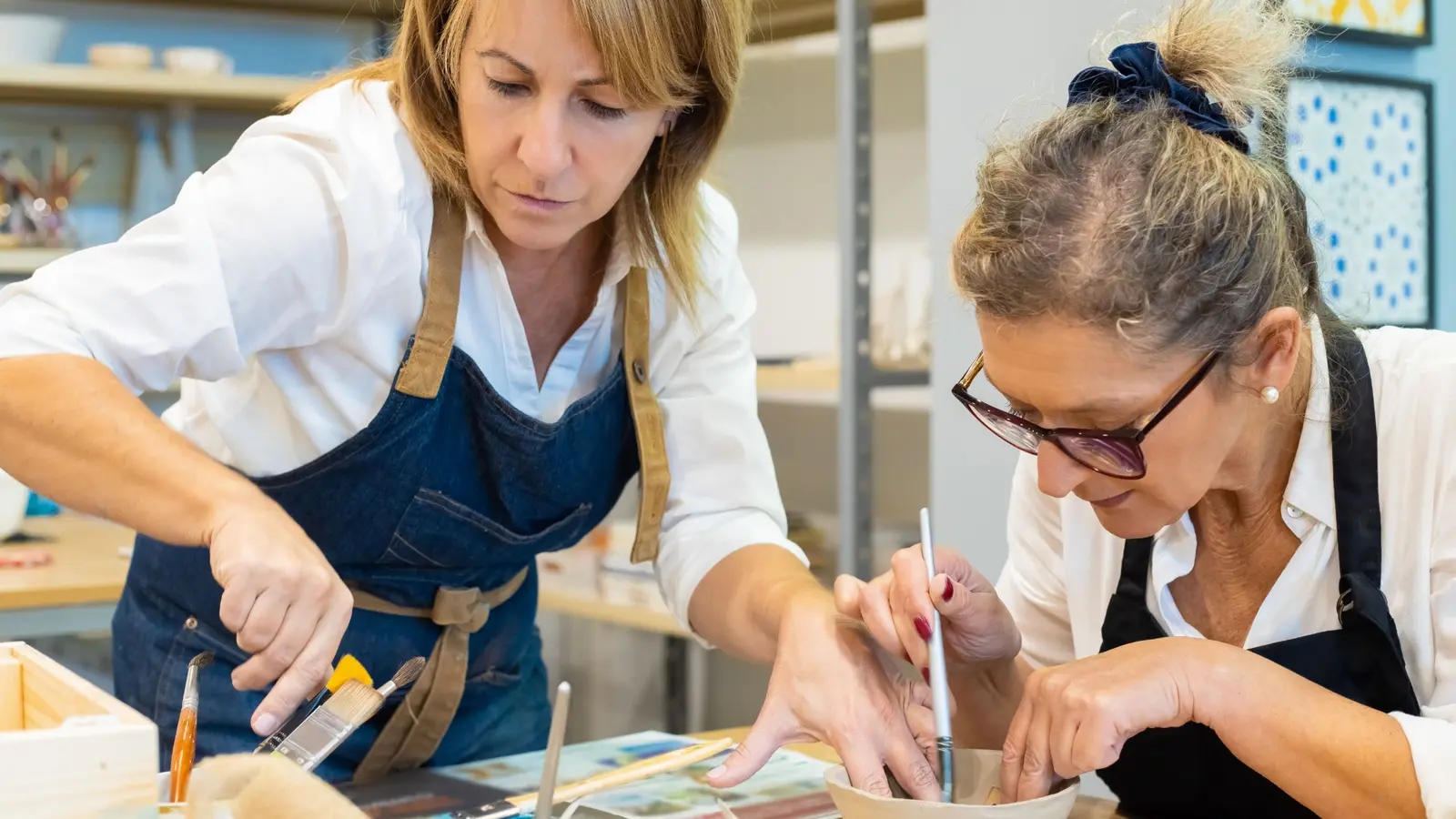
After years of working, looking after family and managing everyday responsibilities, there may finally be more time for the things you’ve always wanted to do.
Perhaps there’s a hobby you used to love but stopped because life became too busy.
Maybe you’ve always wanted to learn something new, but somehow there was never the right moment.
Or perhaps you’re looking at this new freedom and wondering what you’d actually enjoy doing with it.
I think retirement should be an opportunity to explore the things that interest us, especially those we’ve been putting aside for years.
And I wouldn’t start by asking, “What’s the best hobby for retired people?”
I would ask something much more personal:
“What have I always wanted to do, but never quite found the time for?”
Because the best hobby isn’t necessarily the most popular or the easiest. It’s something that brings you pleasure, gives you an opportunity to learn and makes you want to come back to it.
If I were choosing a new hobby after retirement, the first thing I would do is make a list.
Not a list of what other people think I should be doing, but a list of things that genuinely interest me.
I would divide it into three groups:
I think this is a wonderful place to begin because sometimes we already know what we would love to do. We’ve simply forgotten about it while getting on with everyday life.
Once I’d written everything down, I would look through my list and prioritise it.
Which activity excites me most?
Which one would I love to start tomorrow?
And which could I realistically try without making a huge commitment?
I’d put those interests at the top.
You don’t need to plan the next ten years of your retirement. You just need somewhere enjoyable to begin.
I think there is something particularly lovely about returning to a hobby you enjoyed years ago.
Maybe you used to sew when you were younger.
Perhaps you loved painting, making things, working with fabrics or looking after plants.
You might remember how much pleasure it gave you, but somewhere along the way you simply stopped.
Not because you no longer liked it.
Life became busy.
And other things needed your attention.
Retirement can be an opportunity to rediscover that part of yourself.
You may find that the skills come back more quickly than you expected. Or you might discover that there is plenty to learn all over again.
Either way, there is no need to return at exactly the level where you left off.
You can start with something small, enjoy the familiarity of the activity and see where it takes you.
And perhaps this time you can explore it without constantly looking at the clock and worrying about everything else you still need to do.
That’s absolutely fine too.
Not everybody has a secret list of hobbies they’ve been waiting to try.
Sometimes we become interested in something only after seeing somebody else doing it, visiting a workshop or discovering a beautiful handmade object.
If nothing immediately comes to mind, I would begin by exploring different kinds of creative activities.
Would you enjoy working with your hands?
Do you like colours and decorating things?
Would you prefer making something practical, something beautiful or simply enjoying the process?
Would you rather spend time quietly creating at home, or would you enjoy joining a group and learning alongside other people?
You don’t have to know all the answers.
But thinking about what might bring you pleasure can help narrow the possibilities.
And I think it’s worth considering several different types of hobbies before deciding that none of them are for you.
There are so many lovely things you could try, and they don’t all require the same skills, equipment or commitment.
Here are a few I would consider.
If you enjoy being outdoors and working with plants, gardening can be a wonderful interest to explore.
You might enjoy growing flowers, creating beautiful arrangements in your garden or learning how to grow your own vegetables and herbs.
There’s something satisfying about looking after something and watching it develop over time.
Of course, outdoor gardening depends partly on the seasons and the weather. It isn’t quite the same activity all year round.
But you could also explore indoor plants, growing herbs on a windowsill or planning what you’d like to grow when the warmer months arrive.
It’s worth thinking about whether you enjoy the ongoing care that plants need, as well as the pleasure of seeing them grow.
Perhaps you would enjoy creating something you can actually use.
Sewing offers so many possibilities, from simple accessories and home decorations to clothes and bags.
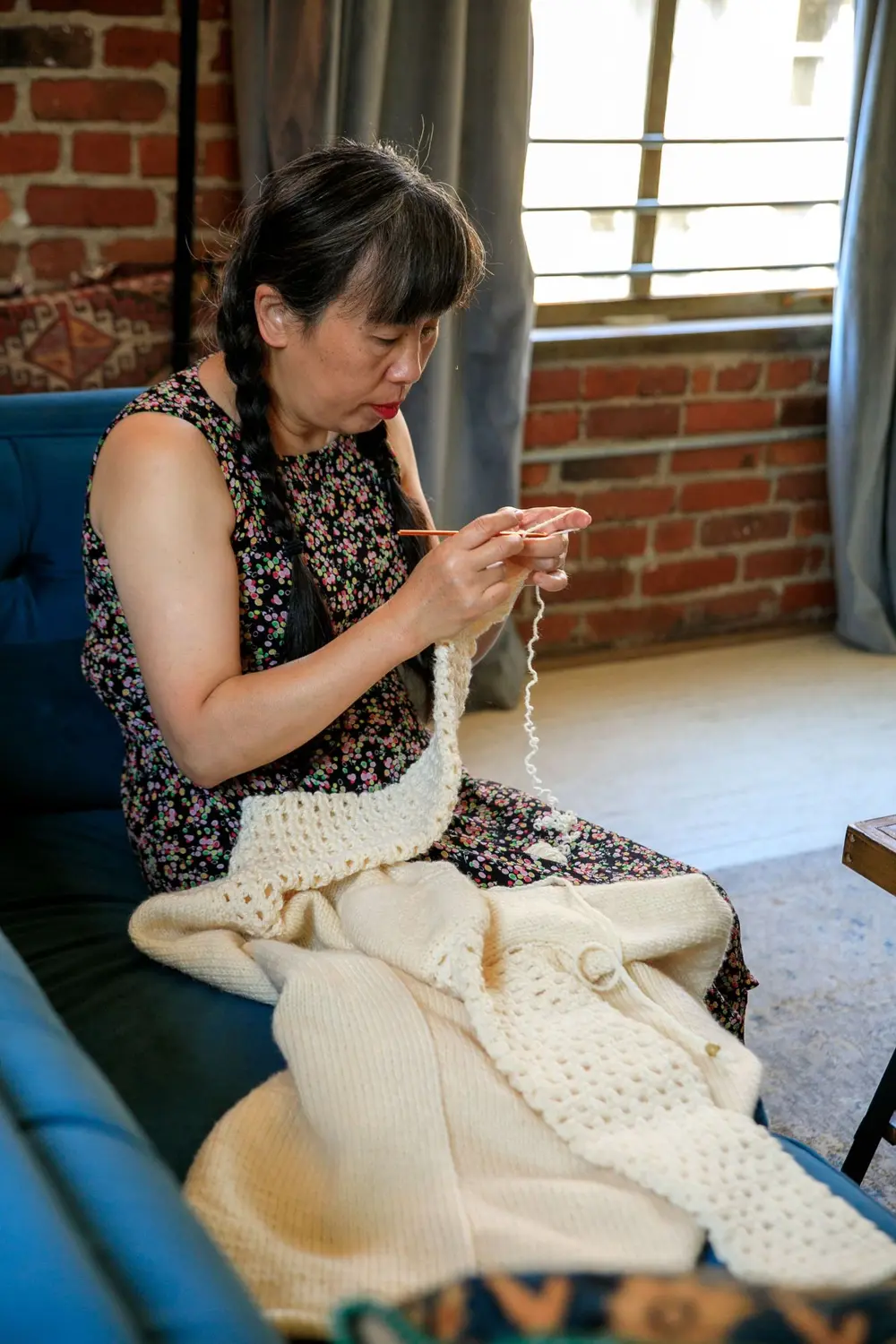
Knitting and crochet can also be lovely ways to work with colours, textures and patterns.
You might begin with something small and gradually try more complicated projects as your skills improve.
I particularly like the idea of making something yourself rather than always buying a finished object.
There’s a different kind of satisfaction in looking at something and knowing that you created it with your own hands.
And if you tried one of these crafts years ago, retirement might be the perfect opportunity to pick it up again.
Pottery is another creative hobby worth considering, especially if you enjoy shaping things with your hands.
You could explore making decorative objects, small bowls or other pieces, depending on the type of class you choose.
If you’ve never tried it before, I would look for a local beginner workshop rather than immediately investing in equipment.
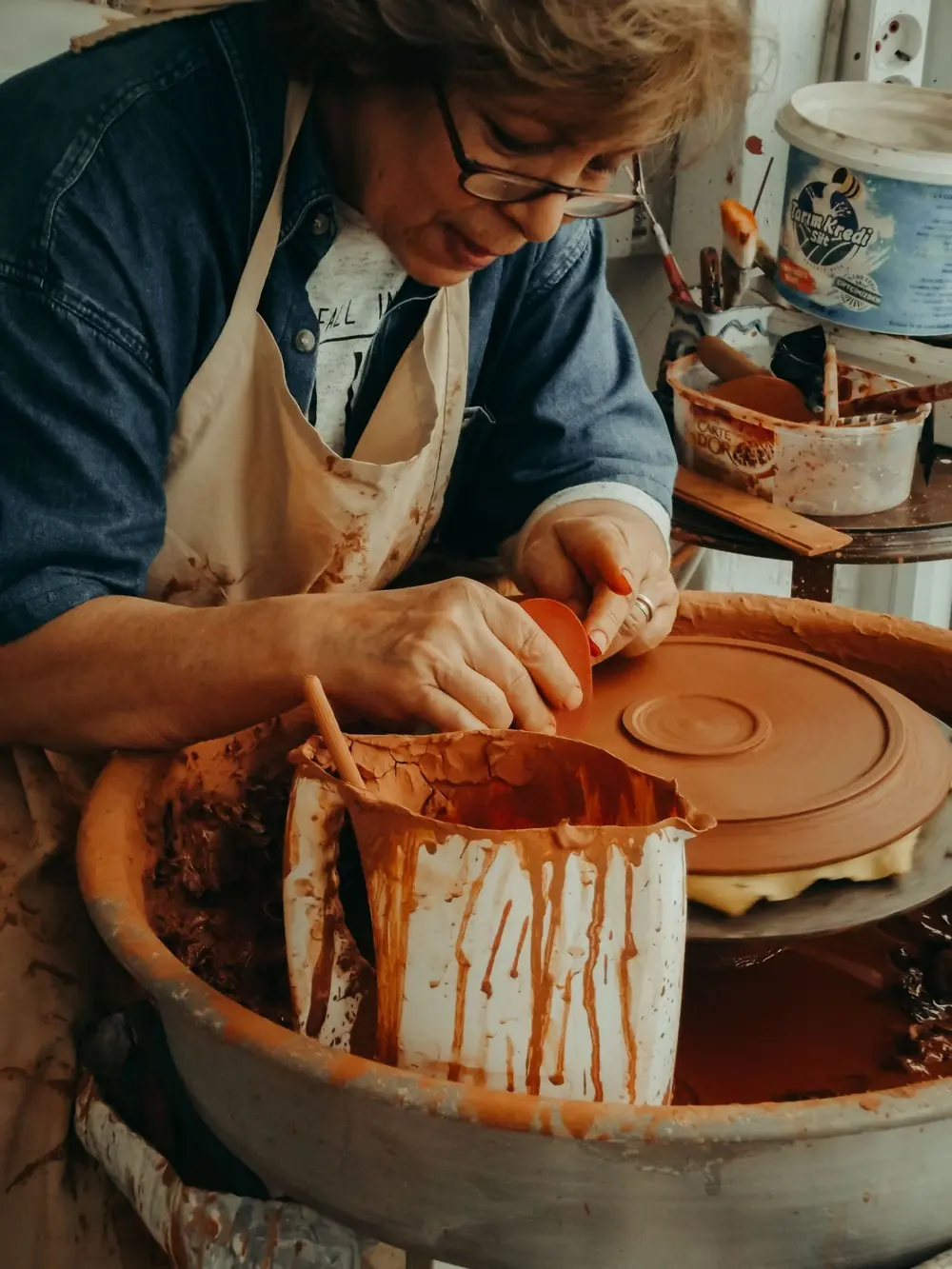
Pottery may require access to a studio, specialist tools and firing facilities, so a class can be a practical way to discover whether you enjoy it.
And you might find that learning alongside other people is part of the pleasure.
If you enjoy patterns, colours and giving ordinary objects a new appearance, decoupage could be an interesting hobby to explore.
You can use decorative papers and suitable finishes to transform different surfaces.
Perhaps an old wooden box, a tray or another object that could become something personal and beautiful.
It’s a way to explore design and decoration without needing to begin with a complicated project.
You might discover that you love choosing patterns and combining colours just as much as creating the finished piece.
Painting offers many different directions.
Some people love the challenge of capturing a face or a landscape.
Others enjoy experimenting with colours and shapes without trying to reproduce anything in particular.
And I think that’s worth remembering.
You don’t have to be good at drawing to begin enjoying colour and creative expression.
You can explore simple exercises, experiment with materials and discover which kind of painting appeals to you.
Maybe you enjoy careful detail.
Or perhaps you prefer the freedom of abstract work, where the finished result doesn’t have to look like anything recognisable.
There’s room for both.
Silk painting is another creative possibility that I personally love.
What makes it particularly exciting for me is the combination of colour, technique and freedom.
You can create artwork to display, paint silk scarves or explore smaller projects such as decorative accessories and hair accessories.
Some designs are carefully planned, while others allow the dyes to move across the silk and produce unexpected effects.
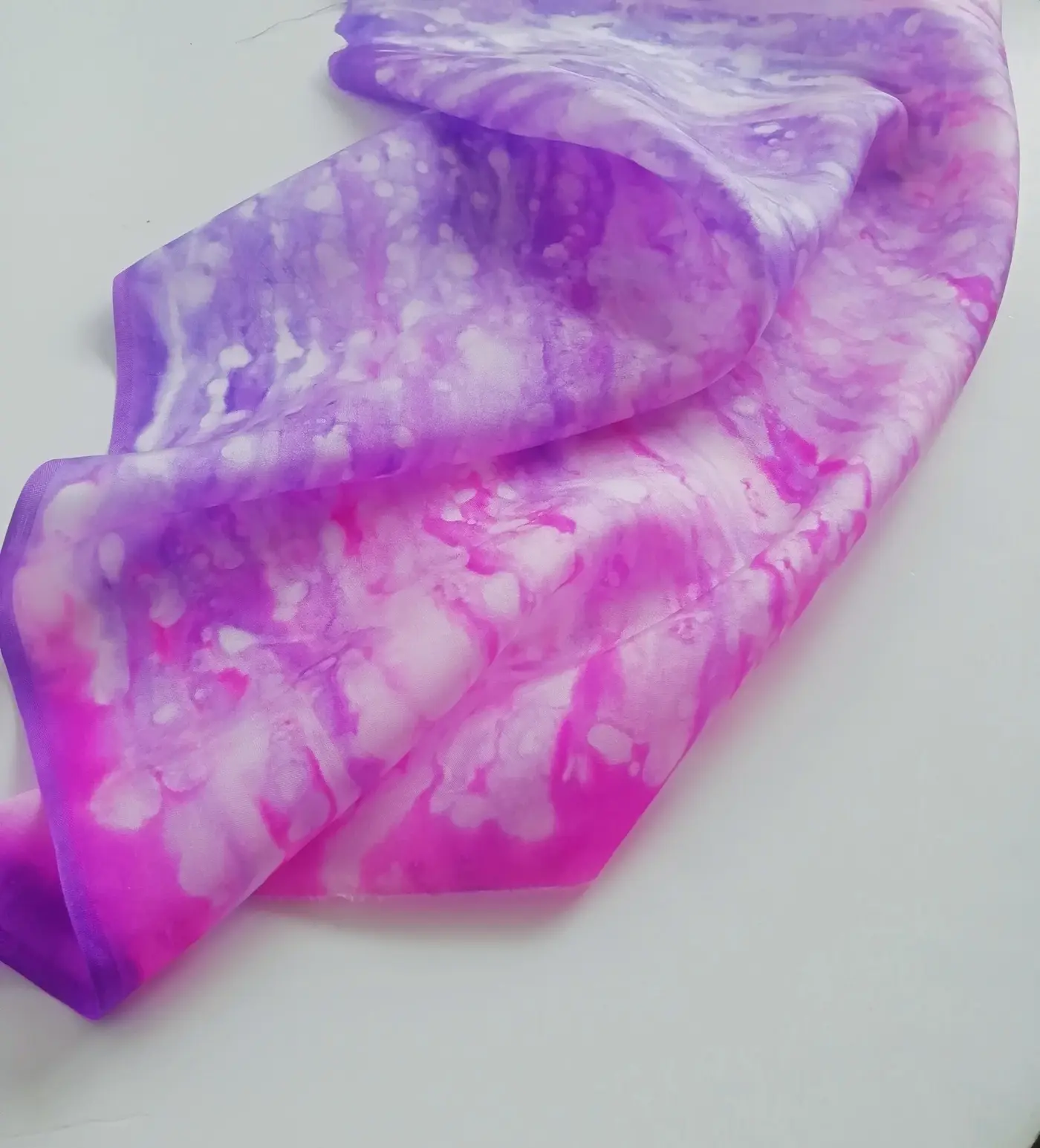
You can explore both approaches as your skills develop.
And you don’t have to begin by drawing something complicated.
You can start by discovering how colours behave on silk and gradually learn different techniques.
What I love most is that there always seems to be something new to discover.
Even after years of exploring silk painting, I still enjoy experimenting and seeing what happens.
Trying something new doesn’t always have to be an activity you do alone.
For some people, joining a creative class can be a lovely reason to get out of the house, meet new people and enjoy being part of a group.
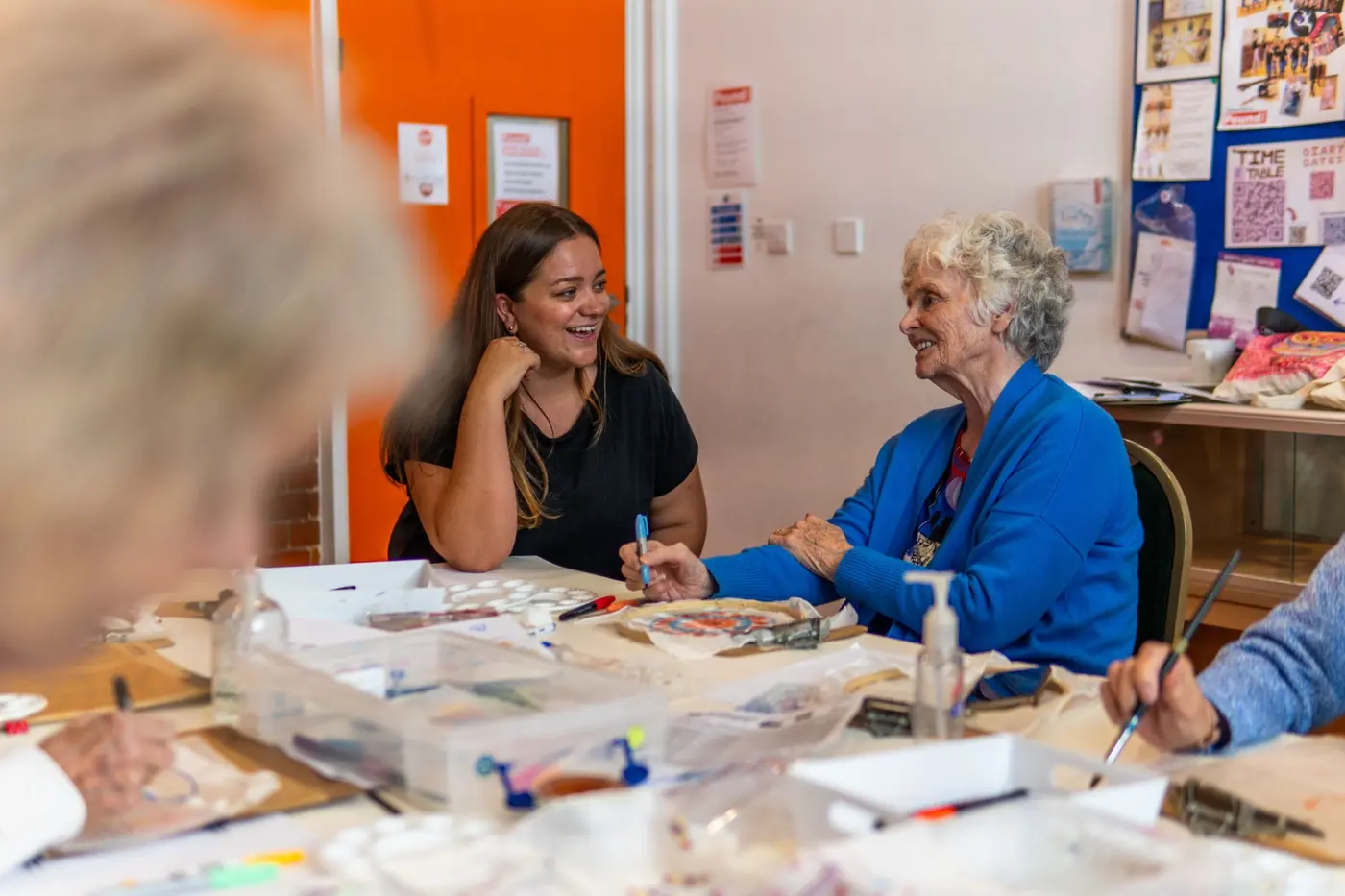
Perhaps there’s a pottery workshop nearby, a local sewing group or a painting class you’ve been curious about.
You might go along by yourself and discover people who share your interests.
And isn’t it lovely to think that you could meet somebody new simply because you both decided to try the same creative activity?
You already have something in common.
Something to talk about.
Something you’re both learning.
And perhaps somebody to share your next creative adventure with.
Or maybe you already have a friend who would love to try something new too.
Why not suggest going together?
I particularly like the idea of two friends choosing an activity neither of them has tried before.
You can encourage each other, discover something different and enjoy the experience together.
Perhaps you’ll both love it and decide to continue.
Or maybe you’ll spend an afternoon laughing at your first attempts and agree that the activity wasn’t quite for you! 😄
Either way, you’ve shared an experience and created a memory.
And if you’re somebody who prefers quiet activities at home, that’s perfectly fine too.
You don’t need to join a group to enjoy a creative hobby.
You might prefer working on your own, concentrating on your project and enjoying the peaceful moments.
The beauty of retirement is having more freedom to decide how you’d like to spend your time, whether that’s creating on your own or enjoying something together.
I think we sometimes become too focused on what we should achieve.
We want to learn a skill, complete a project or become really good at something.
And of course, developing your abilities can be wonderfully satisfying.
But I wouldn’t want a hobby to become another responsibility.
You may want something that helps you relax and enjoy a quiet afternoon.
Perhaps you’d prefer a challenge that gives you an opportunity to develop new skills.
Maybe you’d love making practical things for yourself, creating presents for people you care about or joining a class where you can meet others who share your interests.
Or perhaps you simply enjoy experimenting and don’t mind whether the finished result is perfect.
All of those are good reasons to explore a creative hobby.
The important thing is choosing something that suits you, rather than feeling that you need to meet somebody else’s expectations.
Here’s something I feel quite strongly about.
You don’t need to commit to a hobby simply because you’ve decided to try it.
Imagine you’ve always liked the idea of pottery.
You find a workshop, book a beginner session and spend a few hours learning how to work with clay.
Perhaps you absolutely love it.
Wonderful! You can explore it further.
But what if you don’t enjoy it?
What if you realise that the process isn’t quite what you expected, or you simply don’t like working with clay?
Then you’ve discovered something useful.
You tried it, gave it a chance and learned that it wasn’t for you.
That’s all.
It doesn’t mean you’ve failed, wasted your opportunity or given up too easily.
It just means you can cross that particular activity off your list and explore something else.
Maybe you didn’t enjoy pottery, but you’d love painting.
Perhaps sewing felt too structured, but you might enjoy experimenting with colours on silk.
Or maybe you thought you’d enjoy painting pictures, but discover that you prefer making practical objects.
You won’t necessarily know until you try.
And there’s something rather exciting about that.
I think one of the nicest things about exploring hobbies after retirement should be the freedom to choose.
For years, many of us have responsibilities we cannot simply walk away from.
Work has to be done.
Families need attention.
There are schedules, deadlines and things that cannot wait.
So when you finally have an opportunity to spend more time doing something for yourself, why turn it into another obligation?
If you enjoy an activity, continue.
If you want to develop your skills, wonderful.
If you’re happy doing simple projects and have no interest in progressing to anything complicated, that’s perfectly fine too.
And if something stops bringing you pleasure, you can reconsider it.
You might enjoy different hobbies at different times of the year or different stages of your life.
You don’t have to choose one and stick with it forever.
A hobby should give you freedom, not take it away.
Sometimes I think the most interesting discoveries happen when we’re willing to try something unfamiliar.
You might begin an activity simply because it looks interesting, without any great expectations.
And then something happens.
You enjoy working with the materials.
You become curious about another technique.
You start imagining what you could make next.
Before you know it, you’ve found something you genuinely look forward to doing.
That doesn’t mean every hobby has to become a lifelong passion.
But I think remaining curious and being willing to learn can make this stage of life particularly rewarding.
You may discover abilities you didn’t realise you had.
Or simply find something that makes an ordinary afternoon more enjoyable.
Both are worth celebrating.
I wouldn’t think of retirement as a time when you suddenly have to find one perfect hobby to fill your days.
I would think of it as an opportunity to explore the interests you’ve carried with you, discover new ones and finally give yourself time for the things you enjoy.
Start with a list.
Think about what you’ve always wanted to try.
Return to something you used to love.
Explore new possibilities if you need inspiration.
And when something interests you, give it a go.
You don’t need to know whether you’ll still be doing it in five years.
You don’t even need to know whether you’ll like it yet.
That’s part of what makes trying something new so interesting.
The most important thing is that you’re choosing it for yourself.
And perhaps the hobby you end up loving most will be something you haven’t even considered yet.
If you would like to try silk painting yourself, Crafty Damsel has an online course for each technique:
Prefer to see everything together? Browse all silk painting courses or the Complete Bundle.
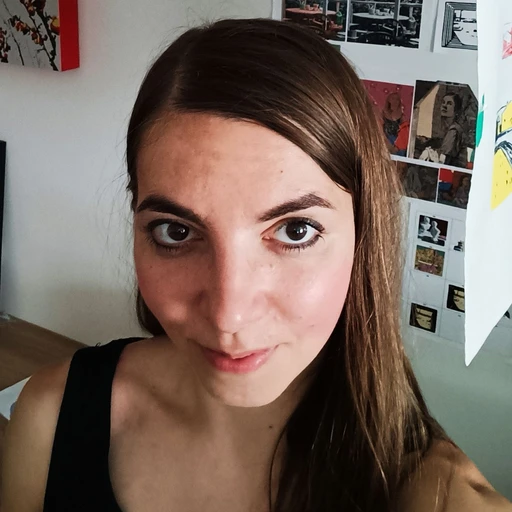
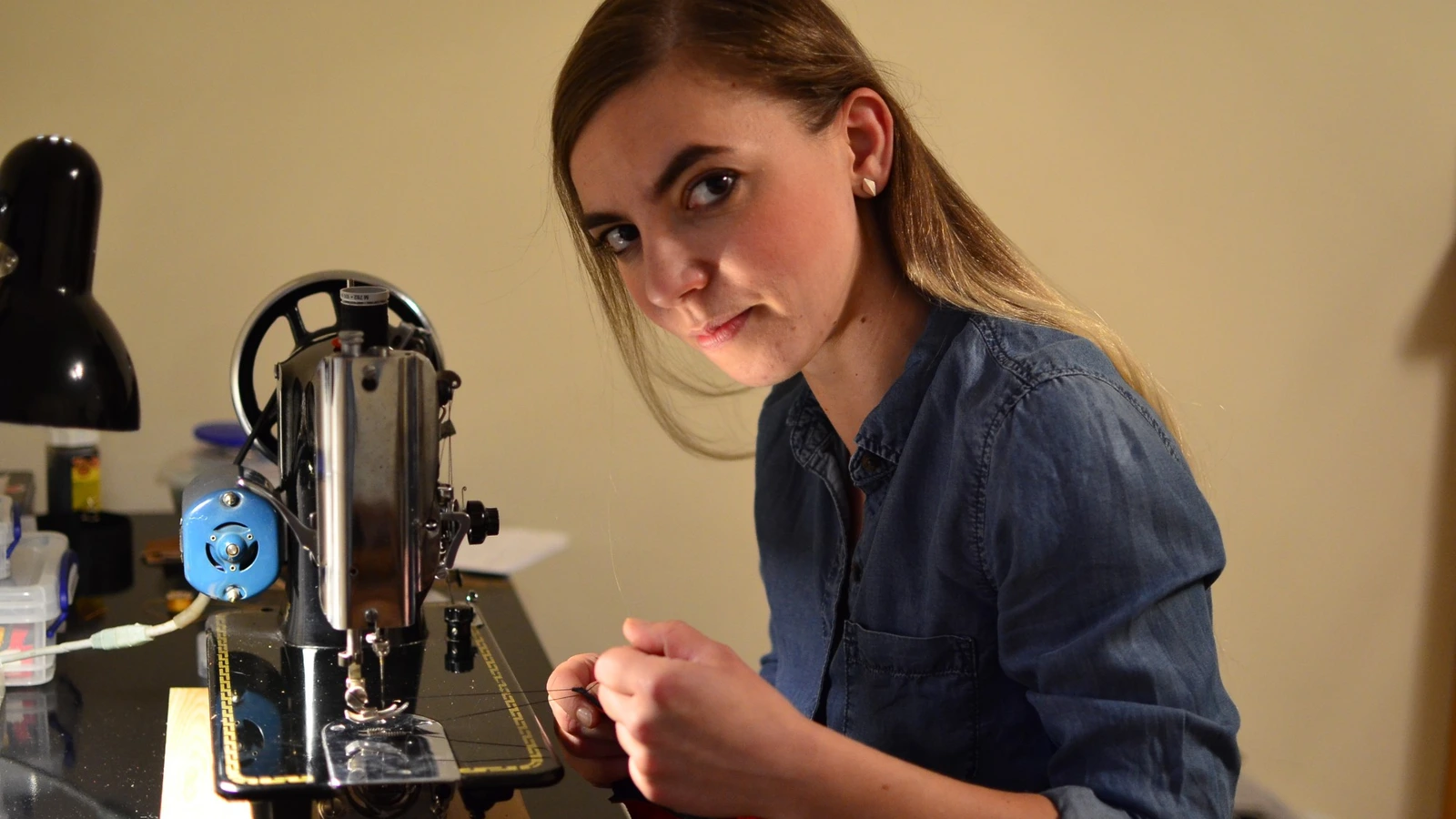
Ania has painted silk for over a decade and enjoys teaching, experimenting with techniques and helping others develop their creativity.
Creative Hobbies
How to pick a creative hobby that fits your personality, your time and your life, and that you will still want to come back to.
Read Article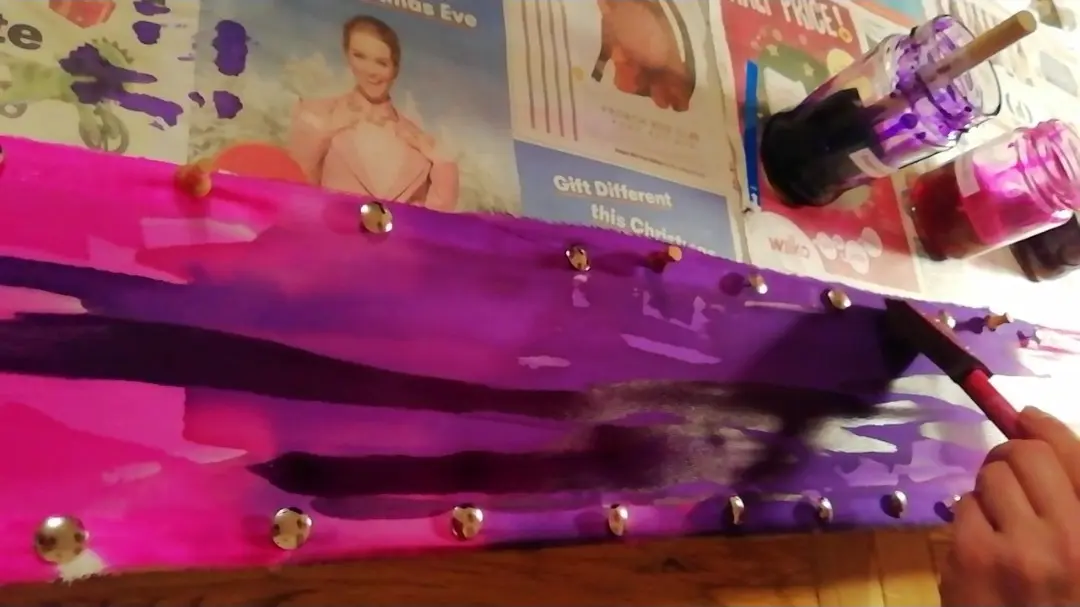
Creative Confidence
What actually makes a creative hobby suitable for beginners, from choosing a manageable first project to giving yourself room to experiment while you learn.
Read Article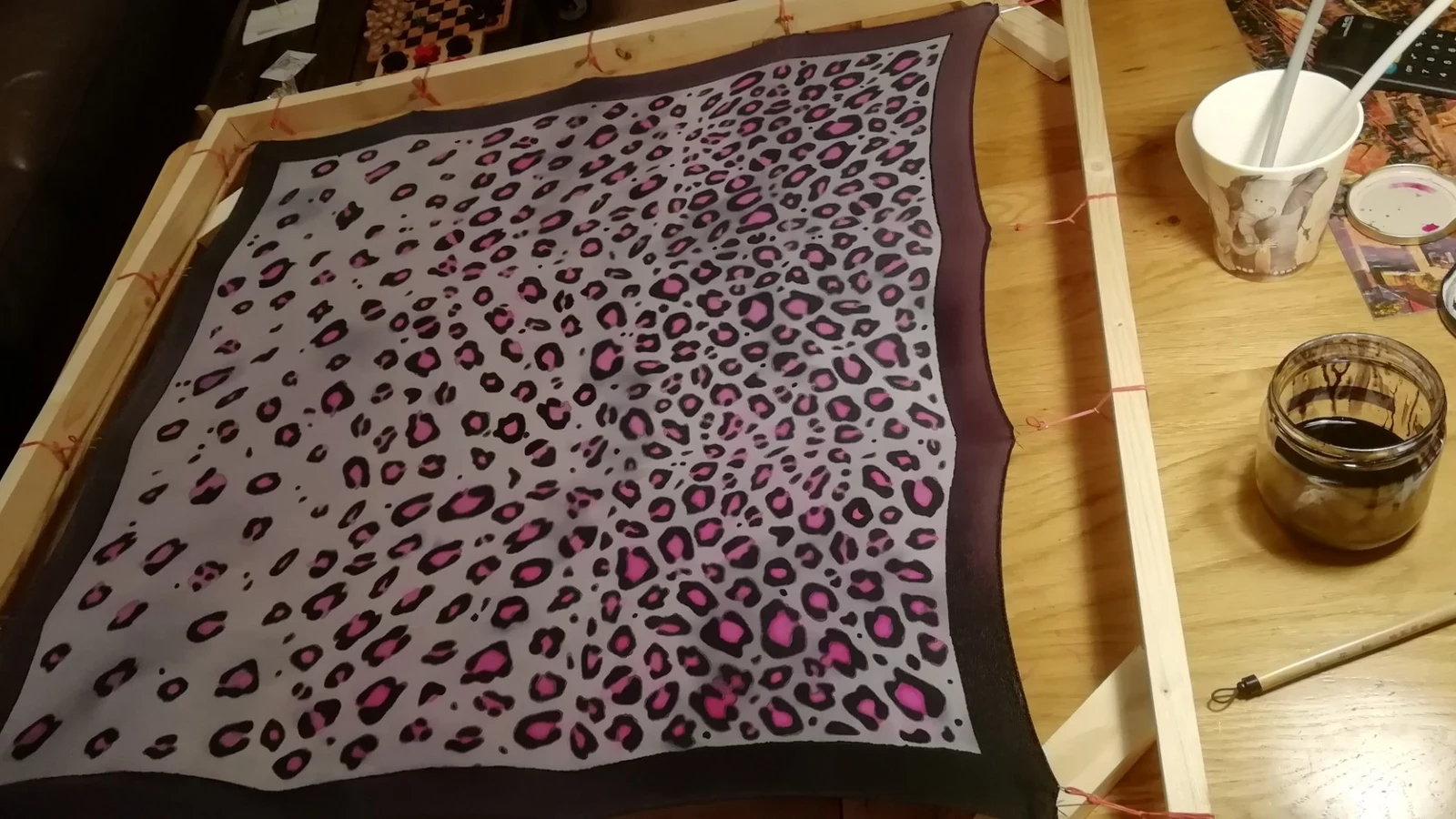
Creative Hobbies
Ways to spend an evening away from a screen, and how to make a creative hobby easy enough that you actually start it.
Read Article