What Makes a Creative Hobby Beginner-Friendly?
Have you ever looked at something beautiful that somebody made and thought, “I would love to do that, but I wouldn’t know where to start”?
Watch the silk painting demoHave you ever looked at something beautiful that somebody made and thought, “I would love to do that, but I wouldn’t know where to start”?
Watch the silk painting demo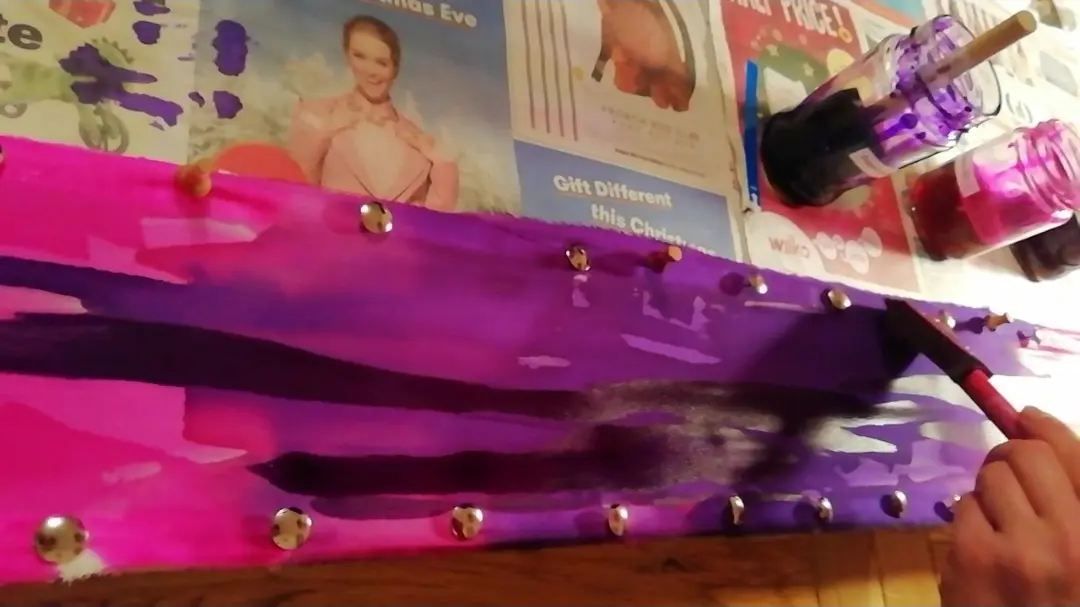
Perhaps you’ve admired a handmade bag, a piece of jewellery or a painting and wondered whether you could ever make something like it yourself.
I think the hardest part of starting a creative hobby is sometimes deciding which one to try.
There are so many possibilities, and when you see somebody’s beautiful finished work, it’s easy to forget how much learning happened along the way.
But what actually makes a creative hobby suitable for beginners?
Is it how easy the technique is? How quickly you can make something? Or how little experience you need?
Having explored different crafts myself, I’ve come to believe that a beginner-friendly hobby isn’t necessarily one that requires very little effort. It’s one that allows you to enjoy creating while you’re still learning.
And that can make all the difference.
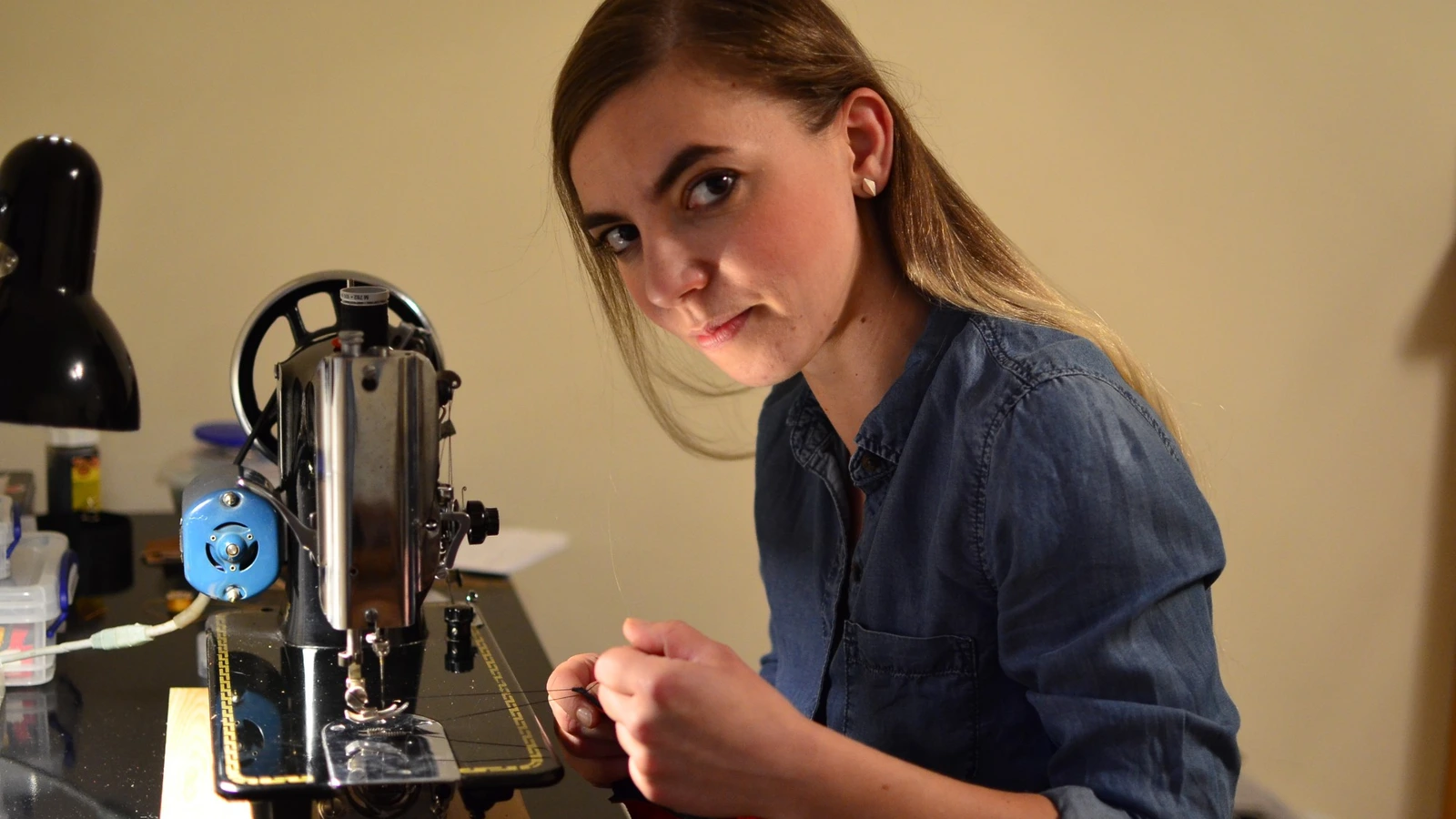
My mum taught me to sew when I was very young.
By the time I started making my own leather bags, I already had years of experience using a sewing machine.
So you might think making a bag would have been relatively easy for me.
Well, not exactly! 😄
There is a big difference between knowing how to sew and turning a design you’ve imagined into a beautiful, practical bag that will last.
I didn’t want to make just any bag.
I wanted to create something from my own imagination, with a shape I liked, a design that looked good and enough practicality to actually enjoy using it.
And I wanted to make it from leather.
There was a lot to figure out.
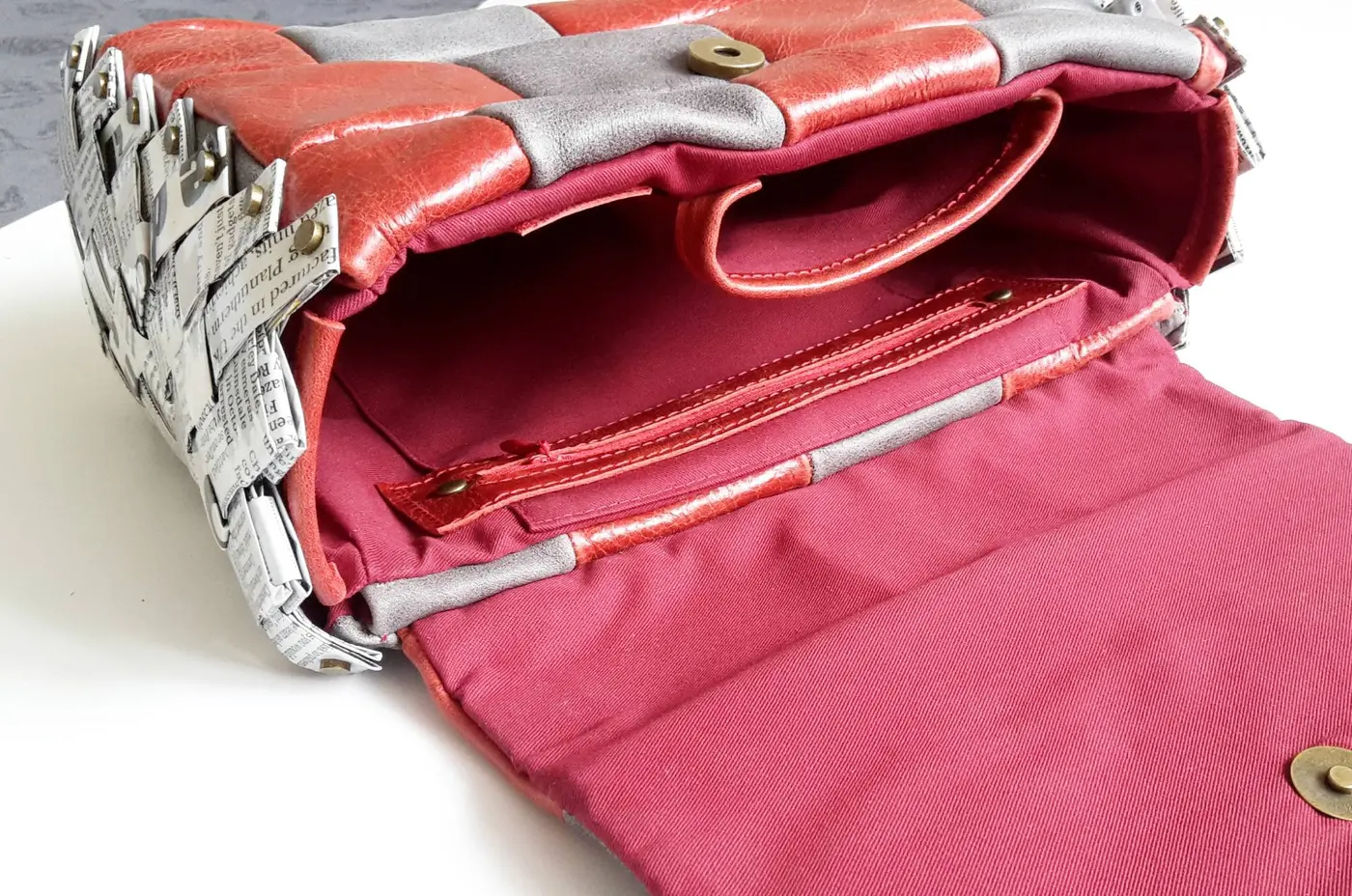
I made test after test, changing things, trying different ideas and discovering what worked and what didn’t.
Some attempts were disappointing. Others looked promising but weren’t quite practical enough.
There was plenty of sweat, frustration and probably a few tears along the way!
Eventually, I made something I genuinely liked.
Was it worth the effort? Absolutely.
But it taught me something important: knowing the basics of a craft and knowing how to create exactly what you imagine are two very different things.
Even an experienced maker can become a beginner again when trying something unfamiliar.
I experienced a different kind of challenge when I started making silver jewellery.
And I don’t mean simply joining ready-made beads or attaching a charm to a chain.
I worked with silver from the beginning, melting the metal, creating wires, shaping them and joining the different elements to make earrings, brooches and pendants.
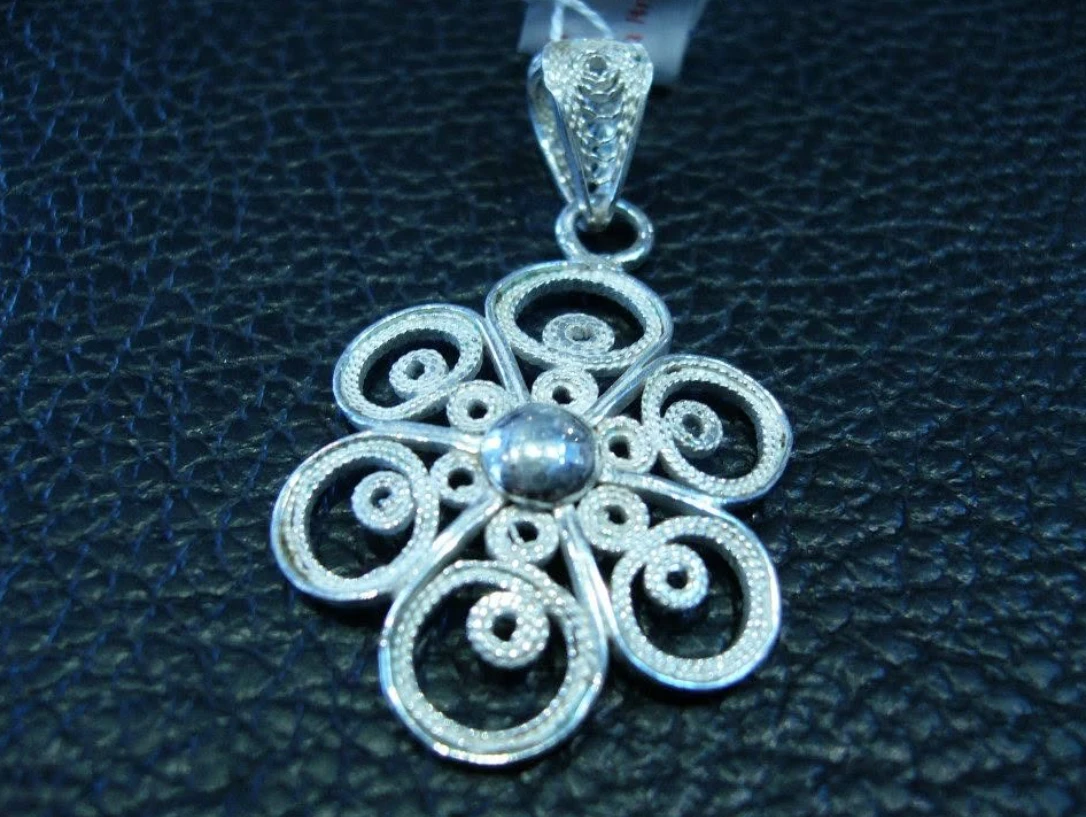
It was fascinating, but it required patience and precision.
If an earring wasn’t straight, you could see it.
If the silver melted in the wrong place, you couldn’t simply pretend it hadn’t happened.
If the finished piece wasn’t properly made, it might not be suitable to wear, let alone sell.
Of course, you learn through practice.
You try, make mistakes, understand what went wrong and try again.
That’s how skills develop.
But some crafts are less forgiving than others.
The finished result needs to meet certain practical requirements, and sometimes there is no easy way around that.
I don’t think this makes those crafts unsuitable for beginners. It simply means choosing an appropriate first project and accepting that precision takes time to develop.
And this is one reason I think it’s worth asking an important question before starting a new hobby:
How much freedom does this craft give me while I’m learning?
When I discovered silk painting, I had to learn everything through experimenting and testing.
I didn’t begin knowing exactly how the dyes would behave or how to create every effect I imagined.
But something about the experience felt different.
It was more playful.
More unpredictable.
And wonderfully free.
With leather bags and silver jewellery, I often had a very specific result in mind. A seam needed to be neat. A shape needed to fit. A piece had to function properly.
With silk painting, I discovered that an unexpected result didn’t always mean something had gone wrong.
Sometimes the dyes travelled a little further than I expected.
Sometimes colours mixed in surprising ways.
Sometimes a painting became something different from what I’d originally imagined.
And quite often, it still looked beautiful.
I could change direction, work with the effect or allow the painting to become more abstract.
And occasionally, if somebody admired an unexpected effect, I could simply smile and say, “That’s exactly how I planned it!”
Whether that was entirely true is another question. 😉
That freedom was one of the things that made me fall in love with silk painting.
It didn’t mean I never made mistakes or that there was nothing technical to learn.
There was plenty to discover, and there still is.
But I could enjoy the process even before I knew how to control every detail.
Two of my favourite silk-painting techniques are the Discharge Technique and Icing Sugar Solution.
And what I love most about both of them is the element of surprise.
With the Discharge Technique, especially when I’m experimenting with a new tool to apply the paste, I never know exactly what the final effect will look like.
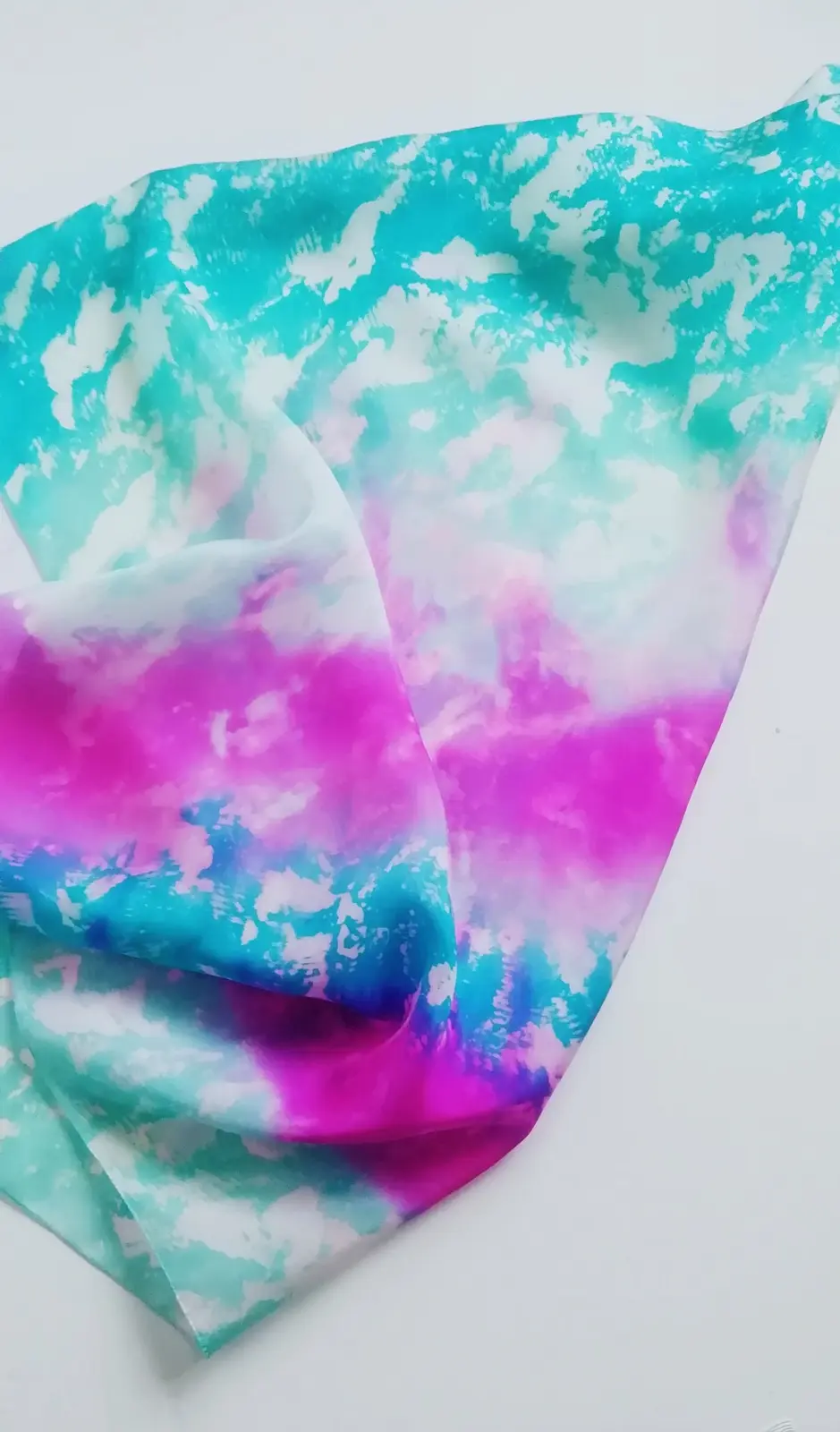
That’s the exciting part!
Sometimes the result is completely different from what I imagined. But I find it difficult to call it wrong. It’s simply another interesting effect I didn’t expect. 😅
Icing Sugar Solution has a similar kind of magic.
You work on your silk, but the final result remains a little mystery. It’s only when you remove the dried icing sugar solution and fix the dye that you discover the effect you’ve created.
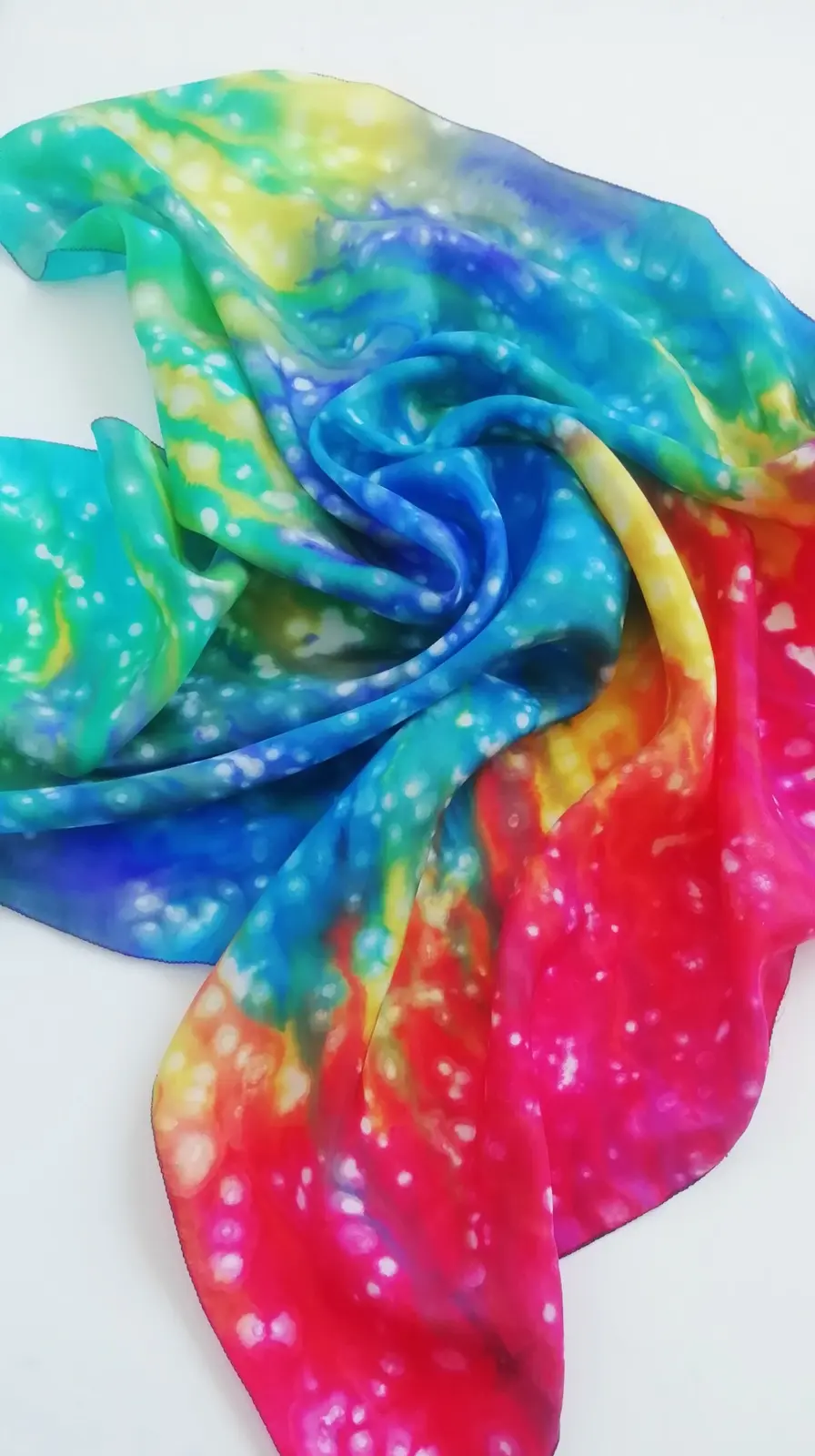
And that’s the moment I love!
For the practical steps, read how to prepare and apply icing sugar solution on silk.
You finally see what has been happening on the silk, and sometimes the result is more beautiful and interesting than anything you could have planned.
Of course, both techniques take practice, and there are things you need to learn about how the materials behave.
But for me, that unpredictability is part of the joy of silk painting.
Not everything beautiful needs to be perfectly controlled. Sometimes the most wonderful results come from allowing yourself to experiment.
And I think that sense of discovery is something worth looking for in a creative hobby.
Something else I love about silk painting is that there isn’t only one way to approach it.
You can create carefully planned designs.
You can learn techniques that give you more control over how dyes move across the silk.
Or you can explore colour, movement and abstract effects with much more freedom.
You don’t have to know how to draw to begin experimenting with colour on silk.
You don’t need years of painting experience either.
You can start with simple effects and develop more controlled techniques as your confidence and understanding grow.
And there is something almost magical about watching dyes move across the fabric.
The dyes seem to flow almost by themselves, and you gradually discover how to guide them.
Sometimes you want to control that movement.
Sometimes you want to give the colours more freedom.
And sometimes the most interesting results happen somewhere between the two.
For me, that is what makes silk painting so exciting.
There are so many possibilities, and you can continue discovering new ways to express yourself through colour and technique.
I don’t think there is one hobby that will feel easiest for everybody.
We bring different experiences, interests and expectations with us.
Something that feels simple to one person may be challenging to another.
But I would look for a few things.
You don’t need to start by creating something complicated.
If you want to learn sewing, you don’t have to begin with a leather handbag you’ve designed from scratch.
If you’re interested in jewellery, you don’t have to begin by melting silver and shaping your own wire.
And if you want to explore silk painting, you don’t have to begin with an elaborate design full of tiny details.
Choose something that introduces you to the process without asking you to master everything at once.
Some hobbies are particularly satisfying because you can enjoy what you’re doing even while your technique is developing.
Maybe you love working with your hands.
Perhaps you enjoy combining colours, arranging materials or watching a design take shape.
The finished object matters, of course.
But if you enjoy the making itself, practising becomes much more rewarding.
I think it helps when a craft allows you to explore without feeling that every little mistake has ruined the project.
That doesn’t mean precision is unimportant.
It means there’s space to be curious.
To ask, “What happens if I try this?”
To discover an effect you didn’t expect.
And occasionally to find that you actually prefer the unexpected result.
A good first project should be a beginning, not a final test of your abilities.
As you practise, you begin to understand your materials.
You notice what works.
You recognise mistakes earlier.
You gain more control.
And eventually, things that once seemed complicated begin to feel natural.
That’s the wonderful thing about learning a craft.
Your ideas may become more ambitious because your skills have grown enough to bring them to life.
I think this matters more than people sometimes realise.
You might choose a hobby because somebody says it’s easy for beginners.
But what if you don’t actually enjoy it?
What if the finished objects don’t interest you?
Or you simply don’t enjoy working with those materials?
It might be technically easy, but that doesn’t necessarily make it the right hobby for you.
When I was developing my leather bags, the process could be frustrating.
Yet I kept going because I wanted to make those bags.
I could imagine what I wanted to create, and that motivated me to continue learning.
With silver jewellery, I loved the idea of creating wearable pieces from the material itself.
And with silk painting, I fell in love with the colours, movement and possibilities.
Each craft appealed to me for a different reason.
So rather than asking only, “Which creative hobby is easiest?”, I would also ask:
“What would I actually love to create?”
That answer can give you a much better starting point.
I think we sometimes put unnecessary pressure on ourselves when we begin something new.
We imagine that our first attempt should already look like something made by an experienced artist or craftsperson.
But why should it?
The person whose work you admire has probably spent hours, months or years learning what you are only beginning to explore.
You are seeing the results of that experience.
Not every test, unfinished project or frustrating afternoon that came before it.
I know from making leather bags and jewellery that developing a skill can take determination.
And I know from silk painting that learning can also involve unexpected, beautiful discoveries.
Both experiences are valuable.
You don’t have to choose between taking a craft seriously and enjoying yourself while learning it.
You can do both.
For me, it comes down to having a welcoming place to begin.
A hobby where you can try something achievable, get to know the materials and enjoy making something without expecting professional results straight away.
One that suits your interests and gives you a reason to come back and try again.
Some crafts require greater precision from the start.
Others give you more freedom to experiment.
Neither is automatically better.
But understanding that difference can help you choose an activity that feels right for you.
And remember, your first attempt isn’t the finished version of your ability.
It is simply where you begin.
The growth comes from doing.
If you would like to try silk painting yourself, Crafty Damsel has an online course for each technique:
Prefer to see everything together? Browse all silk painting courses or the Complete Bundle.
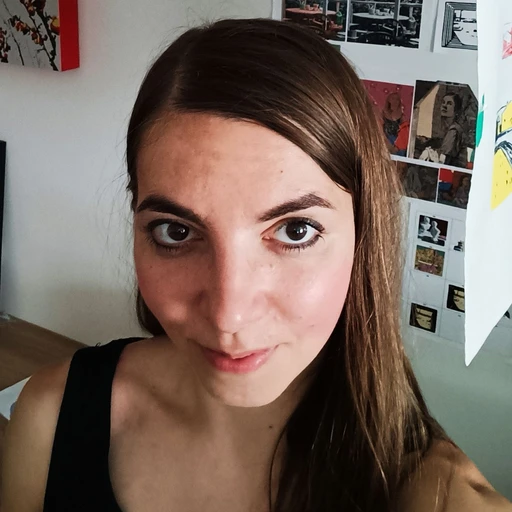
Ania has painted silk for over a decade and enjoys teaching, experimenting with techniques and helping others develop their creativity.
Creative Hobbies
How to pick a creative hobby that fits your personality, your time and your life, and that you will still want to come back to.
Read Article
Creative Confidence
Why “I’m just not artistic” is usually a confidence problem rather than a creativity one, and what to do about it.
Read Article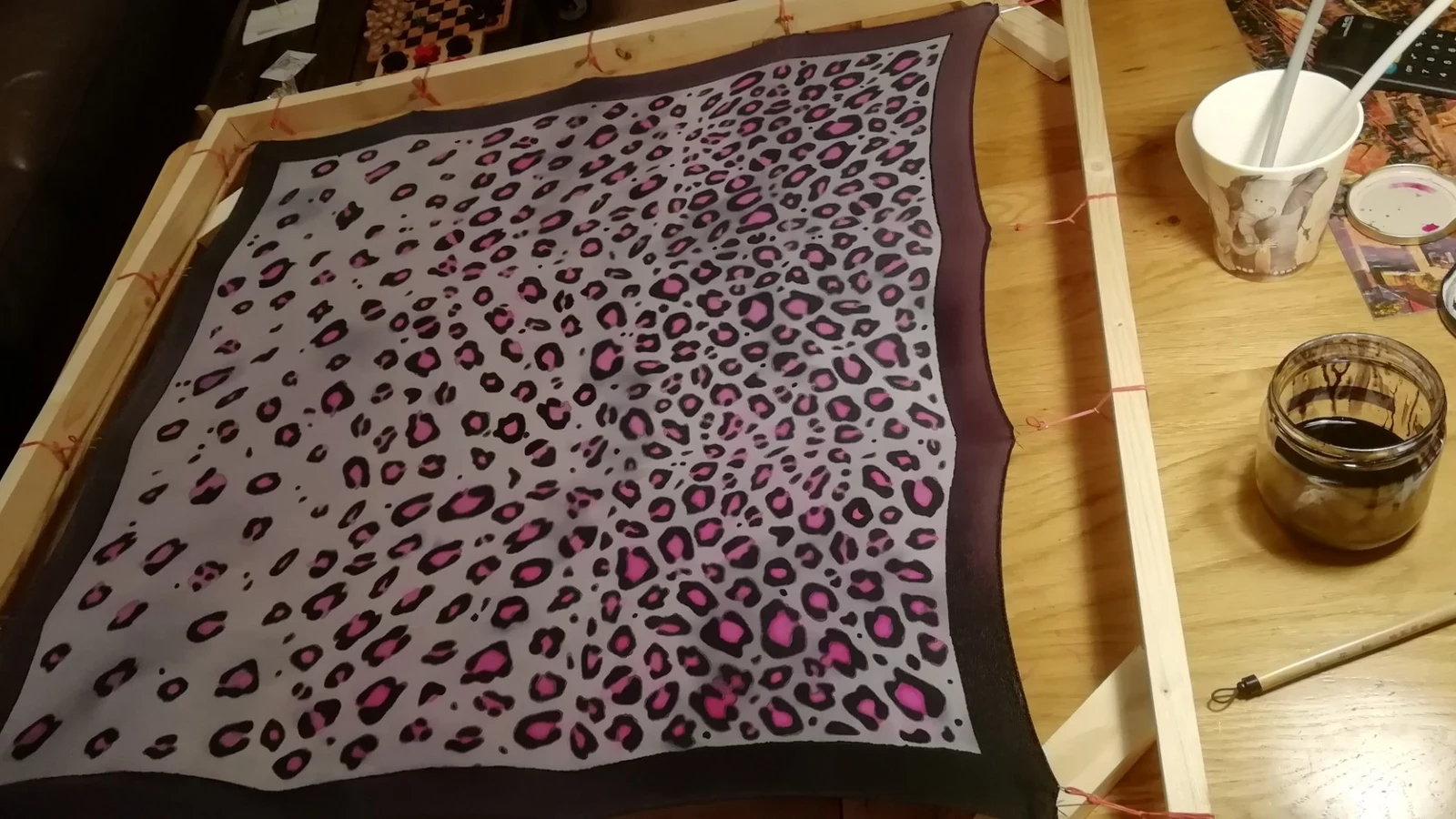
Creative Hobbies
Ways to spend an evening away from a screen, and how to make a creative hobby easy enough that you actually start it.
Read Article