Creative Activities to Do Together:Make Something, Learn Something, Remember the Day
Being in the same room is not necessarily the same as spending time together.
Being in the same room is not necessarily the same as spending time together.
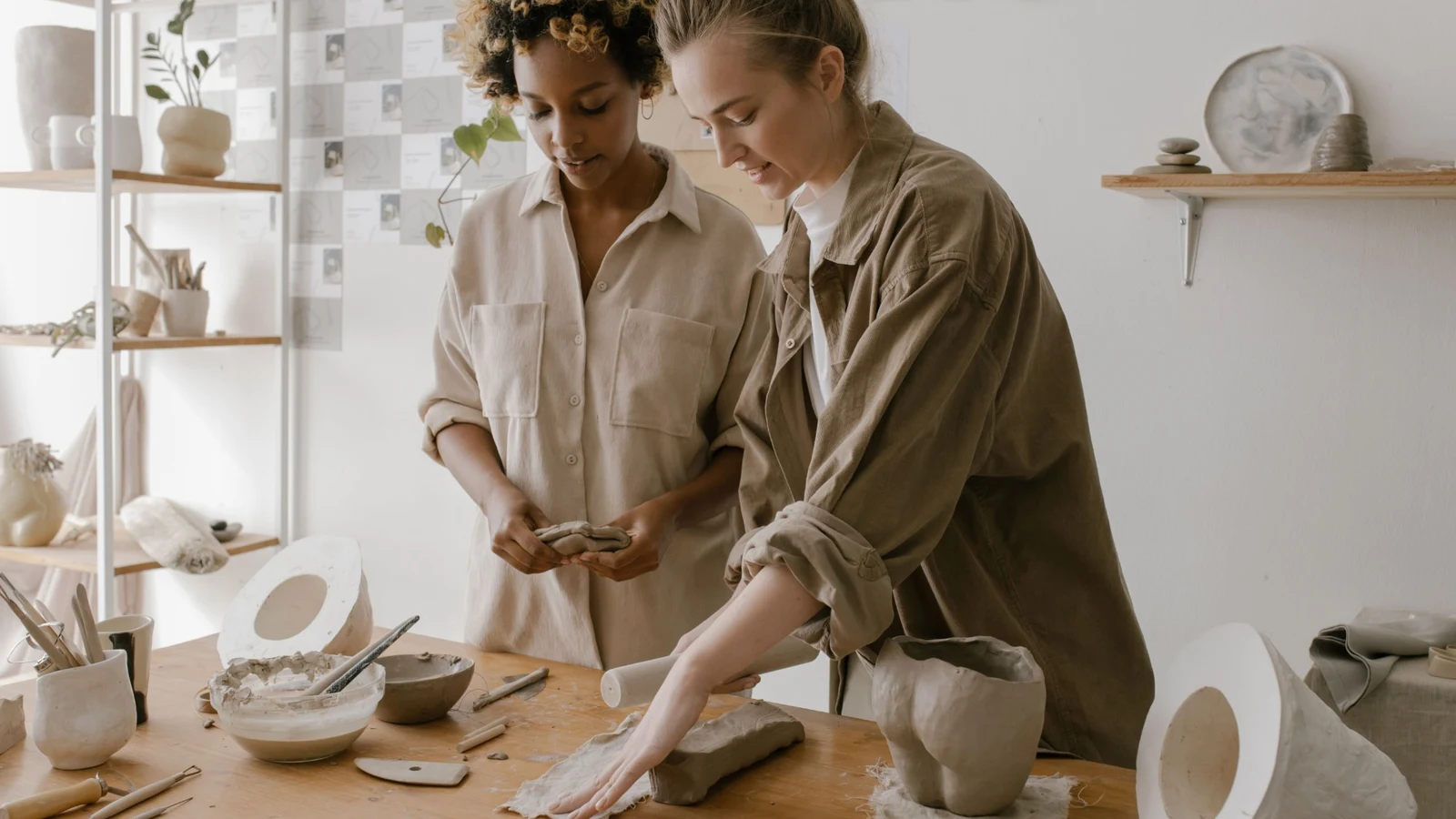
We can sit beside somebody while both of us are somewhere completely different in our minds. One person is scrolling. The other is watching something. Someone is answering messages. We are sharing the same space, but not really sharing the same moment. It is the same thing that happens to an evening on your own.
For me, doing something together is different. It means giving another person some of your time and attention.
You talk. You exchange ideas. You make decisions together. You laugh when something goes wrong. You learn something about the other person. And, for a while, you are both present in the same experience.
I think that is where real connection begins.
When we choose to do something with somebody, we are quietly saying: “I want to spend this time with you.”
That can be a very simple thing. Cooking dinner. Baking a cake. Painting. Gardening. Making something from paper. Decorating a room. Learning something neither of you has tried before.
The activity gives you a shared focus. Conversation often happens naturally because you are not sitting opposite each other trying to think of something to talk about. You are already doing something. There are decisions to make. Things to comment on. Questions to ask. Problems to solve. And little moments to laugh about.
That is why I think an ordinary afternoon making something together can sometimes become more memorable than a much more expensive day out.
Cooking is one of my favourite things to do with somebody else. It can be organised. It can also become complete chaos. 😄
Someone chops. Someone mixes. Someone suddenly realises an ingredient is missing. You taste things. You change something. You learn the little tricks the other person uses without even thinking about them.
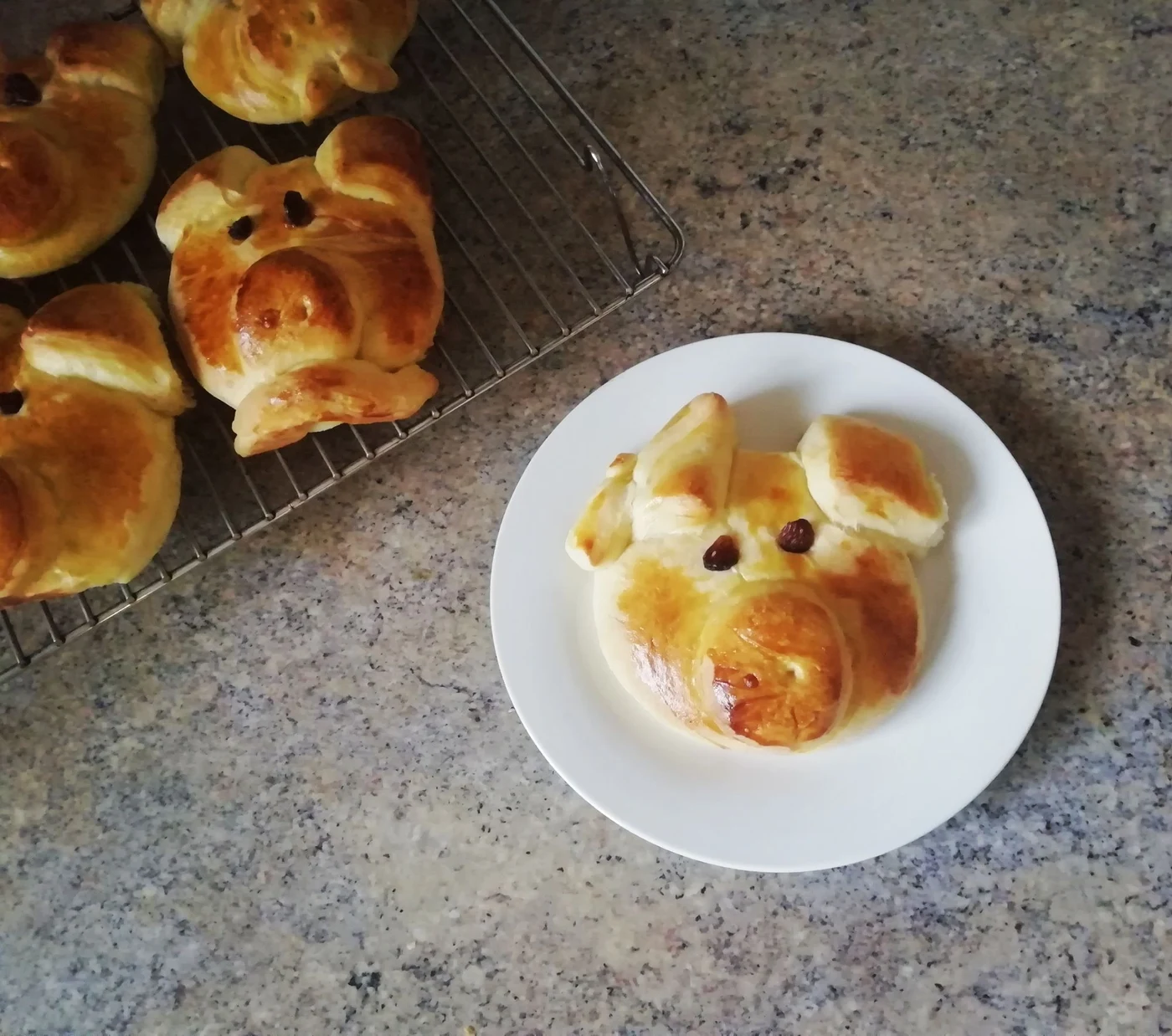
And at the end, you sit down and eat what you have made. That gives you another moment together. You can talk about the food, your day, plans, work, projects or completely unrelated things.
I cooked and baked a lot with my mum when I was younger, and there are plenty of creative things to do with your mum at home. I also spent time gardening with my grandmother. Both of them taught me things that stayed with me. Not because we sat down for a formal lesson. The knowledge simply travelled through the time we spent together.
Two people do not need to be equally experienced. One may have been making things for years. The other may be completely new. That does not make the activity less valuable. Sometimes it makes it better.
The experienced person may know the technique. The beginner may approach it without all the habits and rules the experienced person has collected over the years. They may ask a question the other person never considered. Choose a colour combination they would never choose. Try something simply because they do not know they are apparently “not supposed” to. 😉
I think everybody can be creative in their own way. Some people simply use that part of themselves more often than others. And like most things, creativity grows through practice. Nothing has to be perfect from the beginning. It is a process.
Different abilities can actually work beautifully together. One person may be confident with the practical side. The other may have wonderful ideas. One may be patient. The other may be spontaneous. One might know how to do something and the other might introduce a completely different way of looking at it.
You can learn from each other without turning the activity into a lesson. That is important. If one person spends the whole time correcting the other, the experience stops feeling shared. It becomes teacher and student.
Sometimes that is what you want. But sometimes you simply want to enjoy being together.
Doing something together does not necessarily mean working on one object. Sometimes that is perfect. You can bake one cake together. Cook one meal. Paint one large piece. Work on a garden.
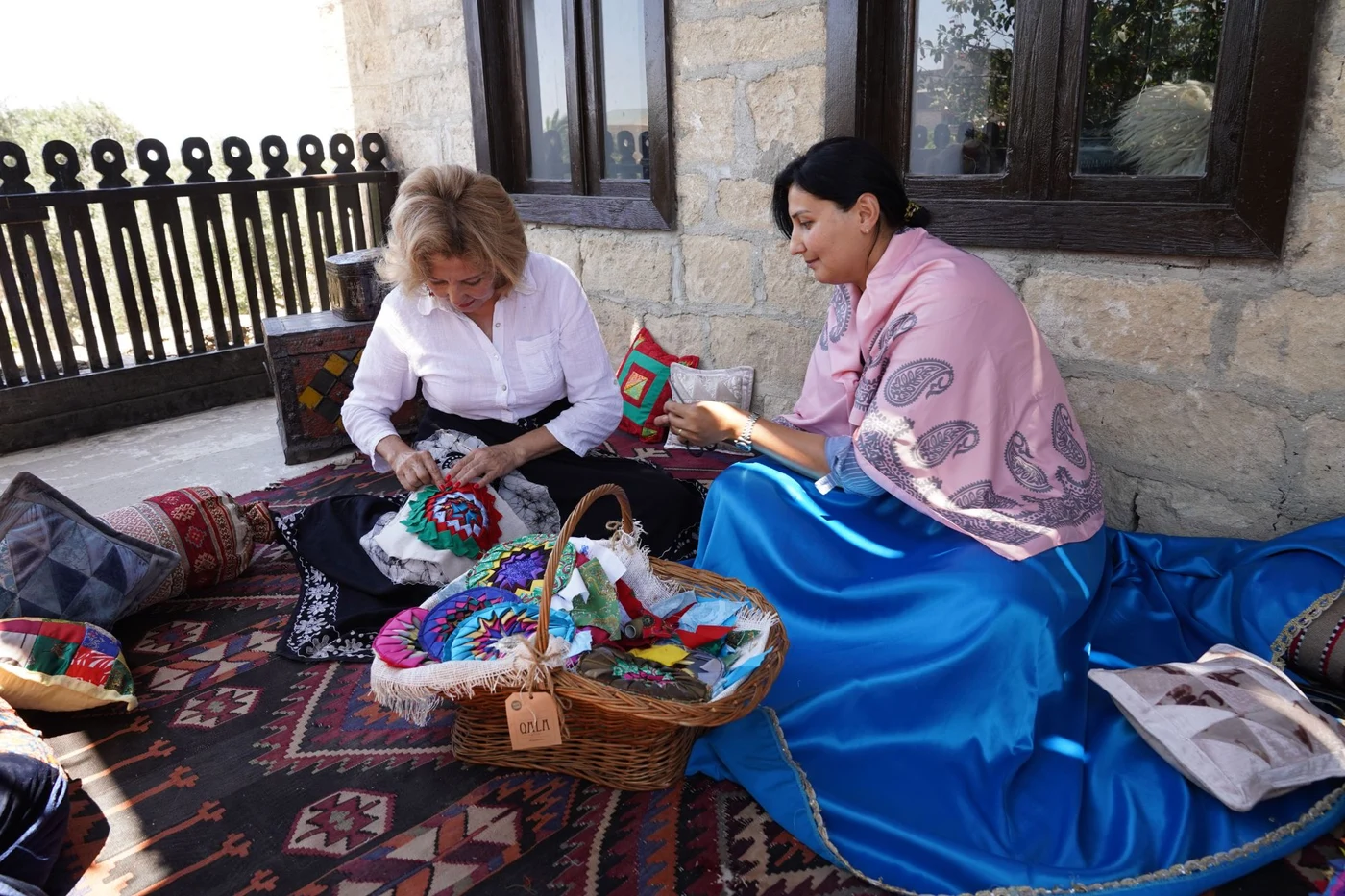
But you can also make different things side by side. You might both paint, but work on separate pieces. One person could cook while the other bakes. You could sit at the same table working on completely different crafts.
You are still sharing the space intentionally. You can talk. Ask for an opinion. Show each other what you are doing. Laugh. Take a break together.
That can work particularly well when two people have very different tastes. If one person loves one thing and the other would rather do something completely different, there is no reason to force them into the same project. The important part is that both people enjoy the time.
This is probably my biggest rule. A creative activity together should not become a test. I would avoid:
The finished result is not important enough to spoil the experience. If you are painting together and one person’s work looks completely different from the other’s, wonderful. That means two people were actually creating rather than trying to produce copies.
If the cake is slightly wonky, eat it anyway. 😄 If the clay object looks nothing like the picture you had in your head, perhaps that becomes the part you laugh about afterwards. You are making a memory, not sitting an exam.
If two people have completely different tastes, I would not necessarily try to find a compromise that neither really enjoys. Sometimes it is better to choose separate projects.
One person may love bold, colourful designs. The other may prefer something simple and delicate. Both can work beside each other and enjoy seeing how differently the same materials are used.
That difference is interesting. It tells you something about the other person. And you may even find yourself borrowing an idea you would never have considered on your own.
Not every shared creative day needs to be ambitious, and it helps to start from a creative hobby you will actually enjoy.
When you want to relax. Choose something gentle. Paint while listening to calm music. Sketch. Plan a future project together. Look through ideas and choose something you would both like to try. The aim does not need to be finishing anything. Sometimes sitting together with pencils, colours or materials in front of you is enough.
When you want to learn something new. Choose something neither of you already knows well. You could learn to bake a cake you have never made before. Perhaps you both ate something wonderful at a restaurant and decided: “We need to learn how to make this.” Then finding the recipe and trying to recreate it becomes part of the experience. You could try pottery, painting, sewing, jewellery making or another craft that has always made you curious. It does not have to become your new hobby. You are simply exploring it together.
When you want a meaningful keepsake. Make something you can both keep. You could sew something together. Perhaps make similar dresses, bags, scarves or another object that connects the two of you. You could create something for the home. Paint pieces around the same theme. Make a photo album. The object becomes meaningful because it carries the story of when you made it.
When you just want to have fun. Try something neither of you expects to be good at. Clay would be a great example. If you have both always wanted to try it, go and make something. It does not matter if either of you ever touches clay again. Not every creative activity needs to become a hobby. Sometimes the whole purpose is simply: “That was fun.”
Objects can become much more important because of the moments attached to them. You may look at something years later and remember exactly who you were with.
You may remember what happened that day. The conversation you had. Something ridiculous that made you both laugh. A mistake. A little disagreement. Something the other person showed you. A piece of knowledge you still use now. The object somehow holds all of that information.
To somebody else, it may simply be a scarf, bowl, picture or dress. To you, it contains a whole day. That is why things made together can become so meaningful, and why I still keep the pieces in my gallery.
Silk painting works beautifully as a shared activity because there are several ways to approach it. You can each work on your own project. Or you can work together on something long, such as a scarf.
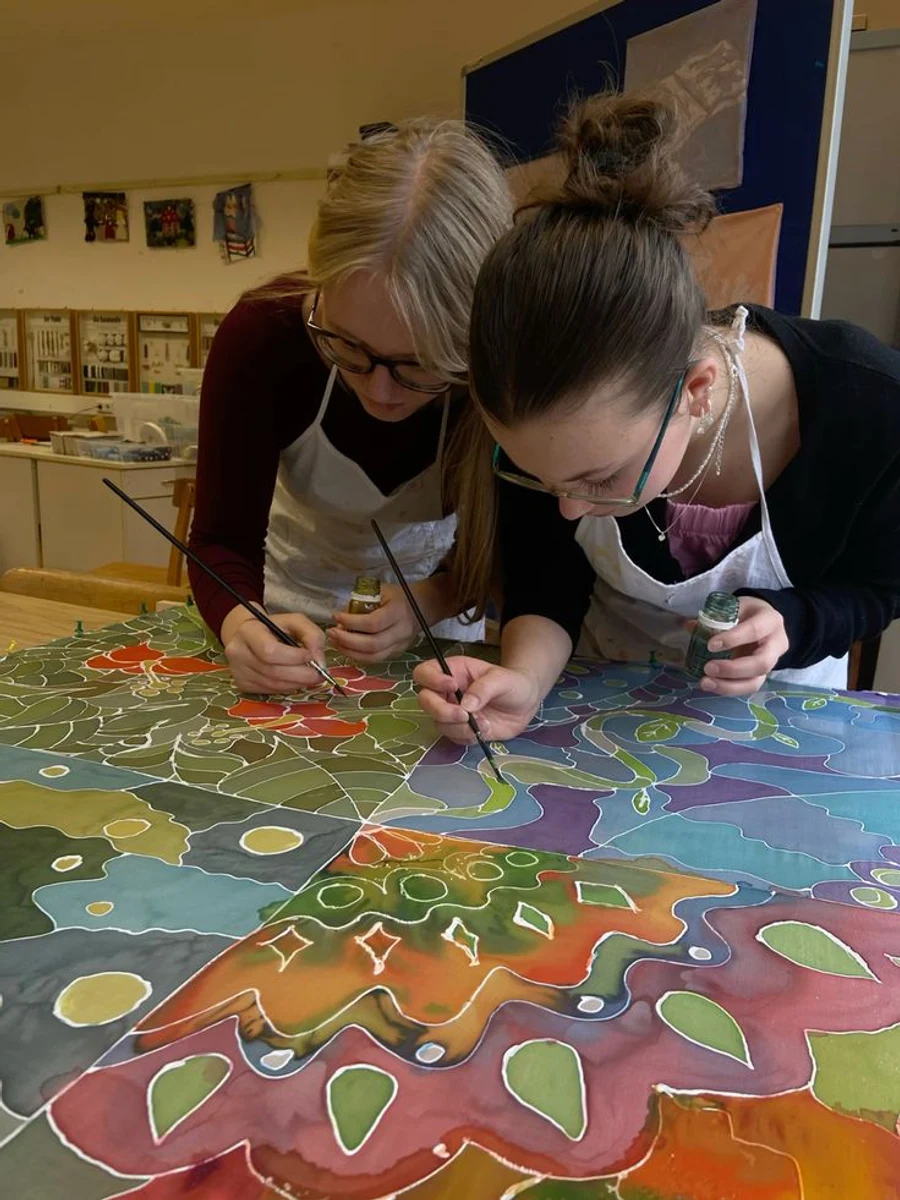
You can learn the same technique and choose completely different colours. One person can show the other something they already know. Or both can be beginners and discover it at the same time, which is what my silk painting courses are there for.
There is also plenty of space for conversation. You are not constantly rushing from one step to another. You can paint, talk, listen to music and watch the colours move through the silk.
And one of my favourite things is seeing what happens when two people begin with the same technique but finish with completely different results. I think that is magical. It shows individuality.
The same instructions. The same type of material. Perhaps even the same colours. And still two completely different pieces. There is no one correct result. You have space to express yourself in your own way.
One memory that still makes me smile is the day a friend asked me to help her make dumplings for an event she was preparing at school. We needed to make 100 dumplings. 😄 So there was definitely enough time to talk.
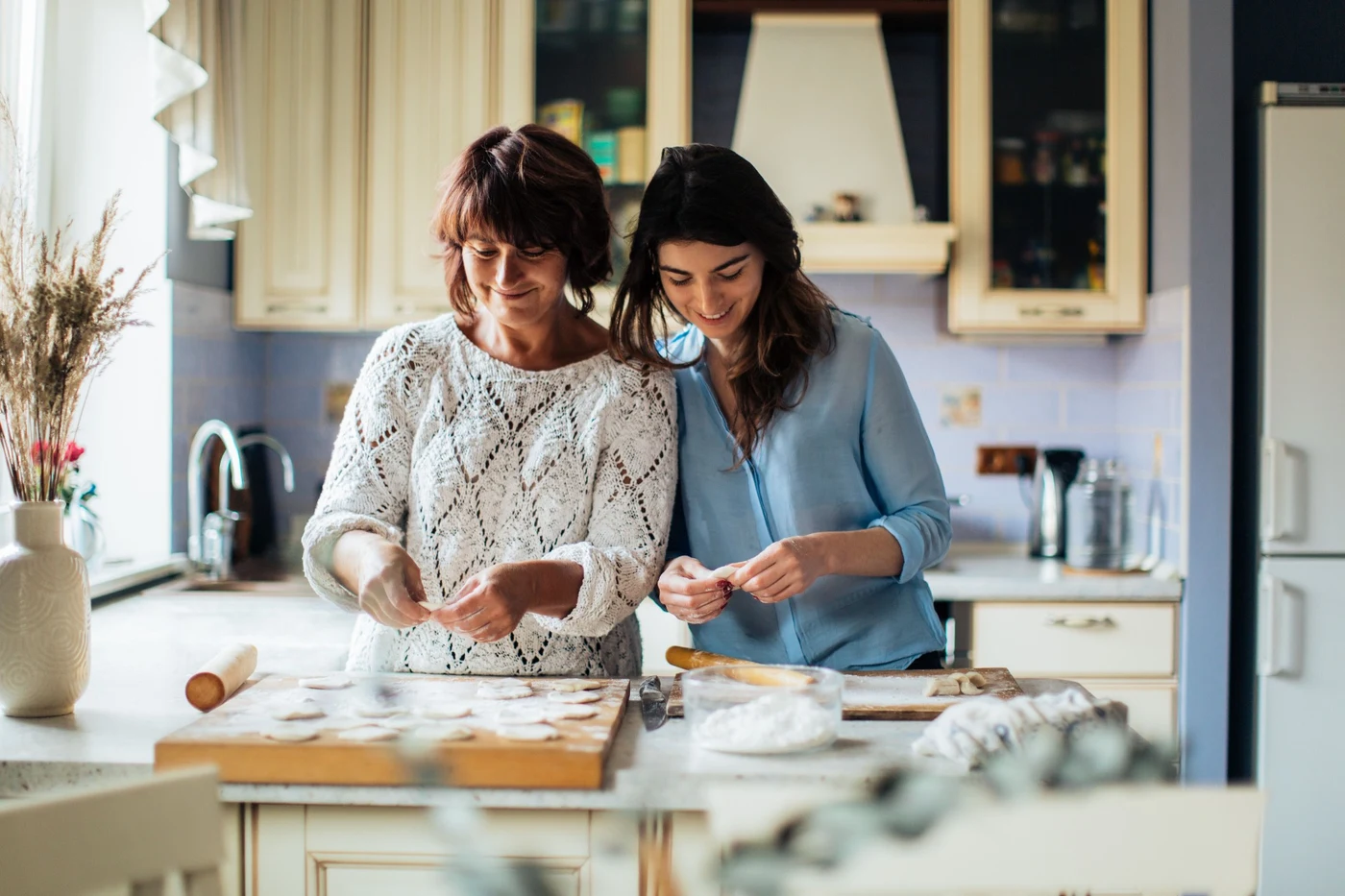
She showed me how she made her dough. Her dumpling dough was always so soft and delicate when cooked, and I wanted to know how she did it. She also showed me her way of folding them. Then I showed her mine.
Neither of us needed to prove that our way was better. We simply exchanged what we knew. We talked. We laughed a lot. And somewhere between all those dumplings, it became one of those ordinary days that you unexpectedly remember for years.
We still remind each other of that day sometimes. That is exactly what I mean when I talk about doing something together. Yes, we made the food. Yes, we learned from each other. But the part that stayed with us was the time.
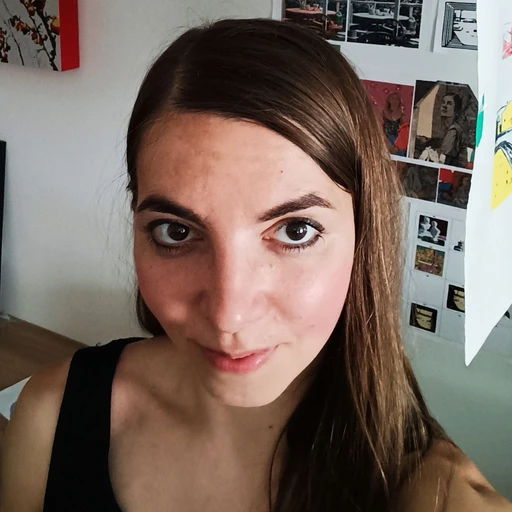
Ania has painted silk for over a decade and enjoys teaching, experimenting with techniques and helping others develop their creativity.
Time Together
Meaningful ways to spend an afternoon together at home, from cooking and sewing to painting, gardening and old photographs.
Read Article
Creative Hobbies
How to pick a creative hobby that fits your personality, your time and your life, and that you will still want to come back to.
Read Article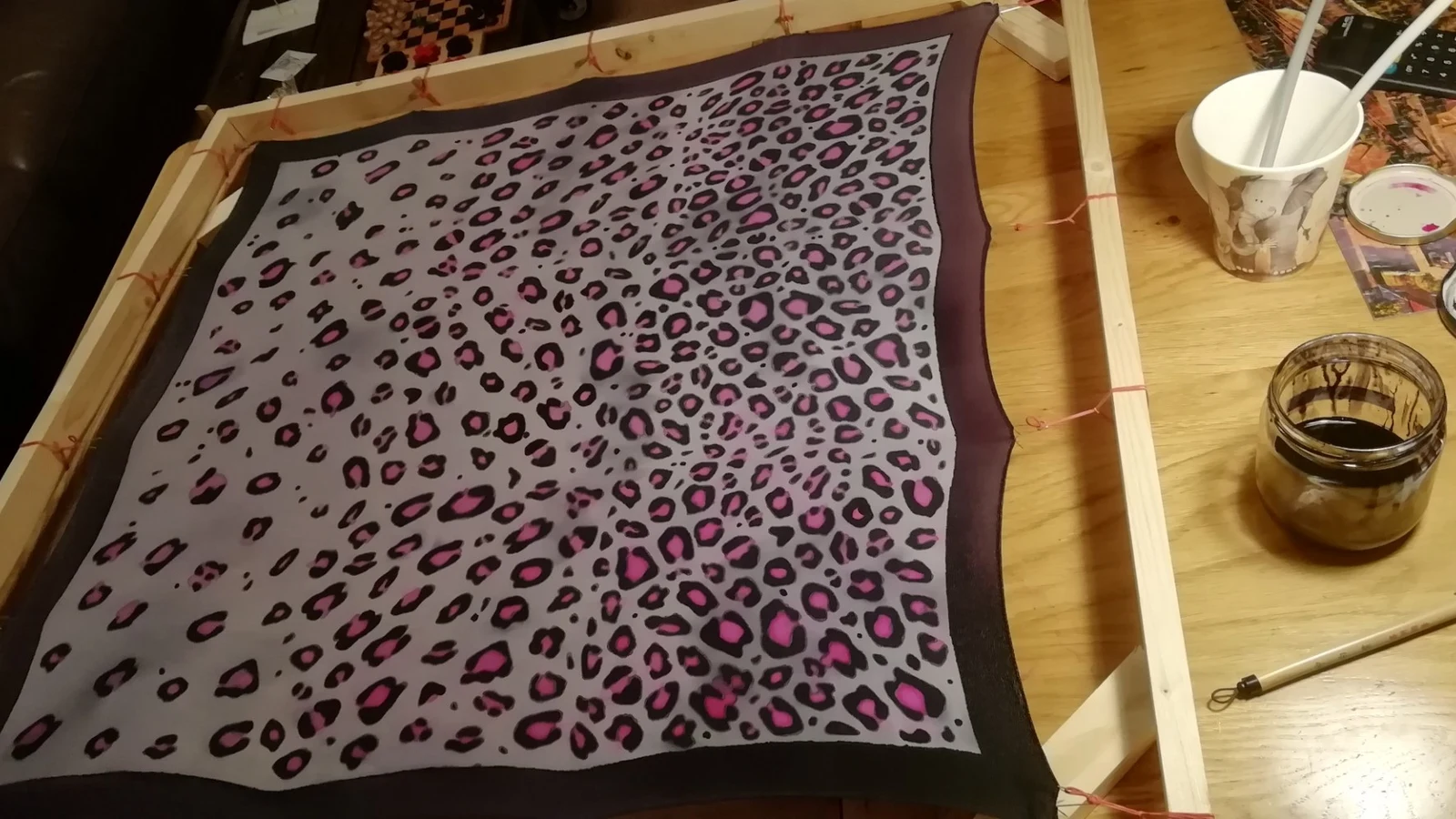
Creative Hobbies
Ways to spend an evening away from a screen, and how to make a creative hobby easy enough that you actually start it.
Read Article