You Don’t Have to Be “Artistic” to Start Making Art
“I’m just not artistic.”
“I’m just not artistic.”
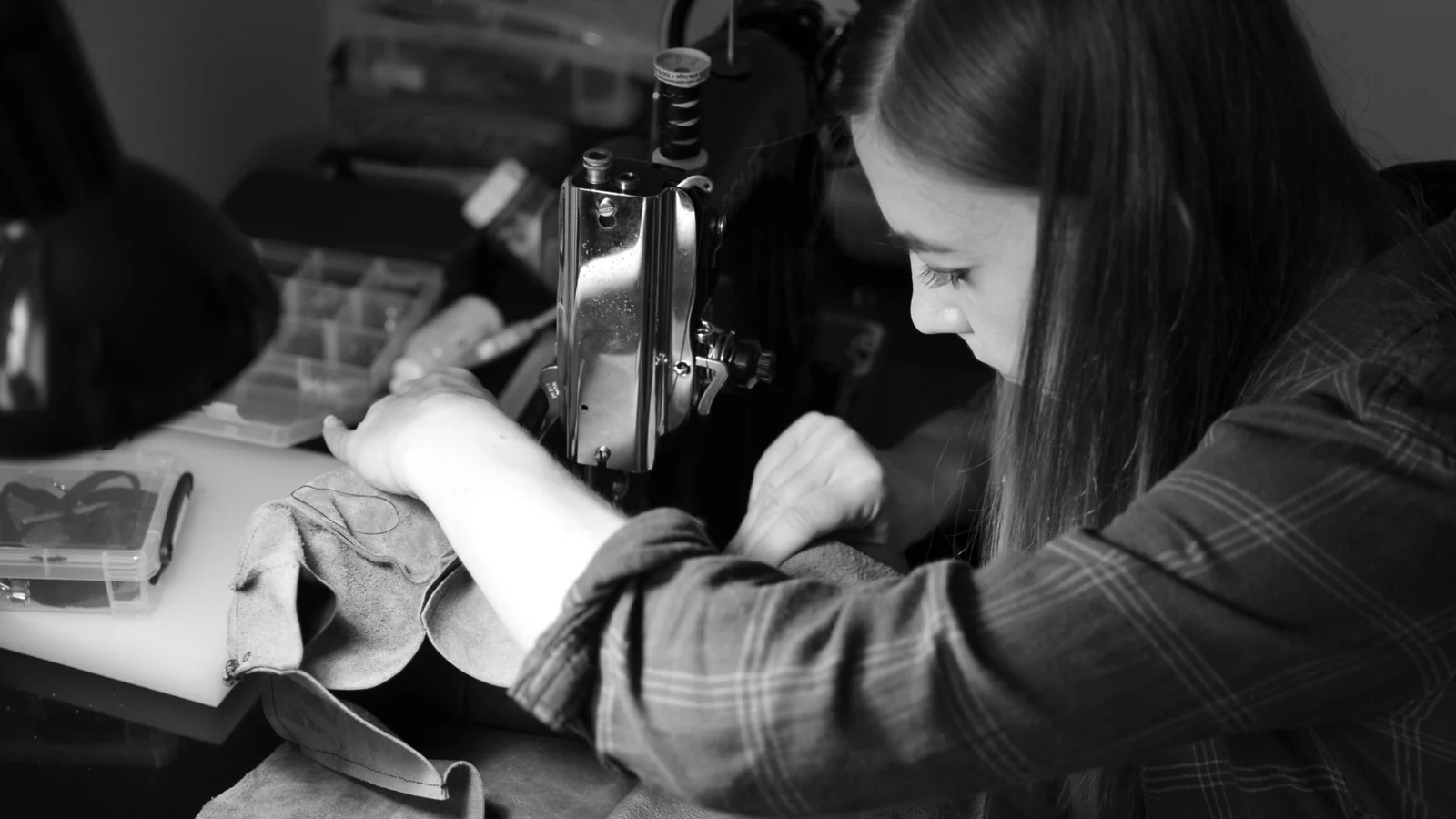
I have heard versions of this many times. Usually, I do not think the person is really saying that she has no creativity. More often, she is saying: “I’m worried I won’t make something I like.” Or: “What if other people don’t think it’s good?” Or: “Mine doesn’t look like theirs, so I must not be very good at this.”
That is very different from not being creative. It is often a confidence problem.
We compare ourselves. We expect a result too quickly. We decide that mistakes prove we have no talent. And we do not give ourselves permission to test, experiment, learn and become better.
But nobody starts with fully developed skills.
I believe every human being is creative. That does not mean everybody will create in the same way. Some people may have a natural talent for something. Some may understand colour quickly. Some may have an instinct for composition. Some may be naturally good with their hands.
But talent without practice is still only potential. Technique takes time. It grows through trying something, looking at the result, changing something and trying again.
Creativity comes before that. For me, creativity is much more about expressing something from the inside to the outside. It may be:
You do not have to be technically skilled before you are allowed to do that.
I think expectations can become one of the biggest enemies of creativity. We start something because we want to relax. Or because we are curious. Or because we have always wanted to try it. Or because we need something that belongs to us.
And then very quickly we forget all of that. Suddenly the only question becomes: “Is it good?”
If the result is not what we imagined, we become frustrated. Sometimes sad. Sometimes angry with ourselves. We can be incredibly harsh. But then I think we have to go back to the beginning and ask: why did I actually start doing this?
If you started because you wanted an hour to yourself and you enjoyed that hour, something already worked. If you wanted to feel calm and focused on something completely different for a while, perhaps you achieved exactly that. The final object is only one part of the experience. The rest comes with time and practice.
Beginners often start comparing themselves almost immediately. They look at somebody who has been doing something for years and think: “Why doesn’t mine look like that?”
But that comparison does not make sense. You are comparing somebody else’s experience with your beginning.
Mistakes do not prove that you have no talent. They prove that you are doing something you do not fully understand yet. That is normal. Sometimes a mistake is simply information. It tells you: “Next time, I’ll try that differently.” That is how technique develops.
Creative work is very subjective. You may make something and genuinely love it. Then somebody else looks at it and says: “Hmm. I’m not sure.” You do not need to immediately change your own opinion.
If you ask somebody for constructive advice because you want to improve something, that is different. Listen. Think about it. Leave it for a day or two. See whether the suggestion feels right to you. But you still do not have to agree.
Even great artists have people who love their work and people who do not understand it at all. There is no creative work that everybody likes. So give yourself permission to be you.
For some reason, drawing is often treated as the main test of whether somebody is “artistic”. I do not agree with that at all. I do not consider drawing one of my strongest skills either, and it never stopped me from making things I love.
There are so many creative activities where drawing is not important. Sewing. Textiles. Pottery. Paper craft. Jewellery. Certain painting techniques. It is worth finding the creative hobby you will actually enjoy rather than the one you think you are supposed to be good at.
And silk painting is a very good example. Some silk-painting techniques involve drawing or outlining, but many do not. Sometimes the whole experience is about:
You can take the same technique and interpret it in a completely different way from somebody else. That is what makes it interesting.
Nobody has a technique from the first brushstroke. First there has to be a willingness to try. Then you see what happens. You adjust something. Experiment. Try again.
And slowly, almost without noticing it, your relationship with the activity changes. Perhaps in the beginning you only wanted to try something new. Later you realise that you actually love doing it. You enjoy disappearing into the process for a while, and you stop thinking about everything you had to deal with during the day.
You are simply there, making something. Technique develops around that experience.
Then make it. Really. Make the ugly thing. Enjoy the process anyway. Experiment. Express whatever you feel like expressing that day.
And if you finish it and think: “No. I really don’t like this.” Smile. Keep it. It may become one of the most useful things you made.
Look at it and ask: what would I do differently next time? Then make the next thing. When you compare the two later, you may suddenly see how much changed. Not only technically. Your decisions may be different. Your confidence may be different. Even your emotional relationship with the process may have changed.
That first piece is not evidence that you failed.
It is evidence that you started.
I have definitely finished projects and thought: “That is not what I had in my head.” But that is exactly the point. Things in our imagination and things in reality do not always look the same. Sometimes you need to physically make an idea before you can understand whether it works.
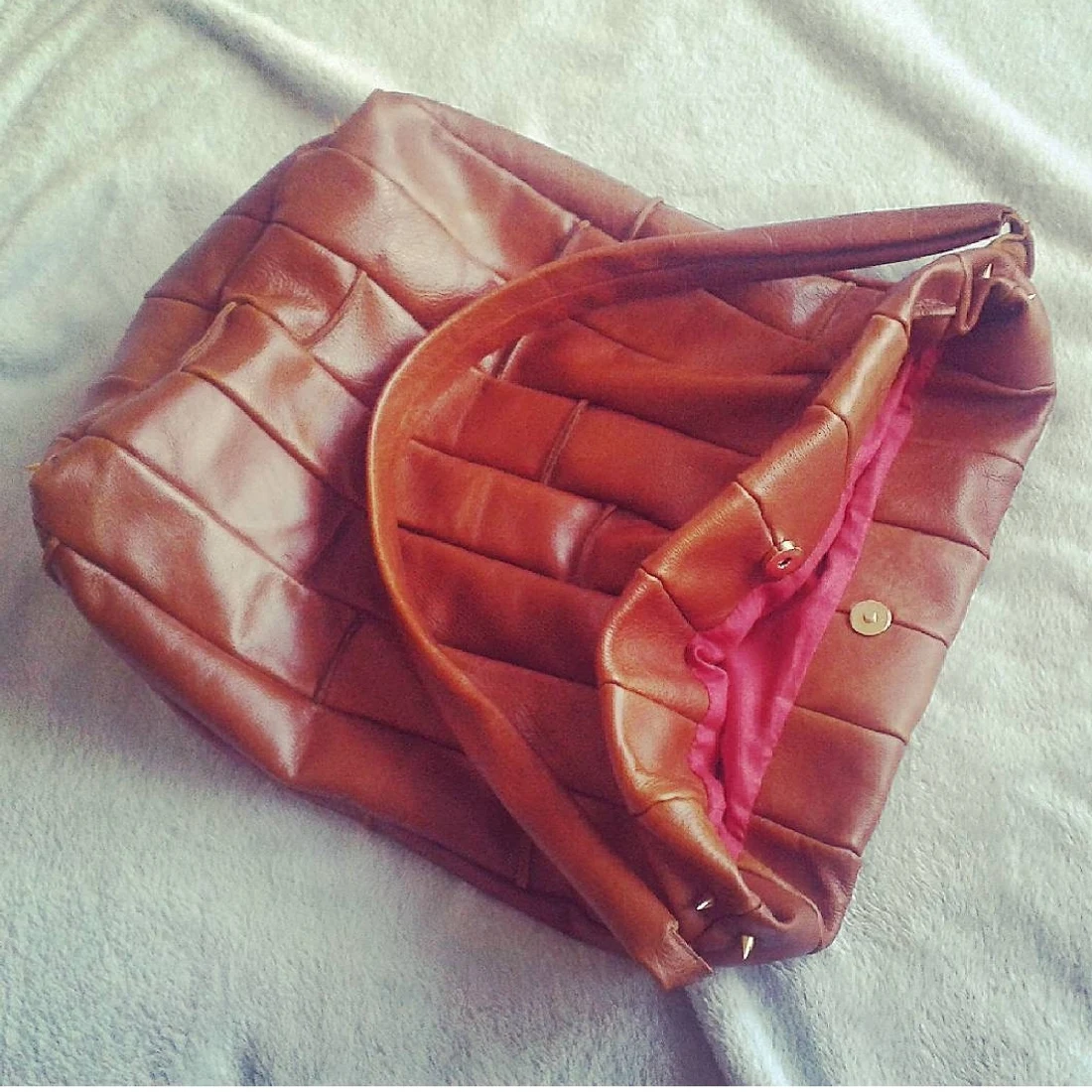
That happened with the very first leather bag I made. There were mistakes. There were details I was not happy with. Sometimes I finished one and knew immediately that it was not what I had wanted to achieve.
Only then can you see:
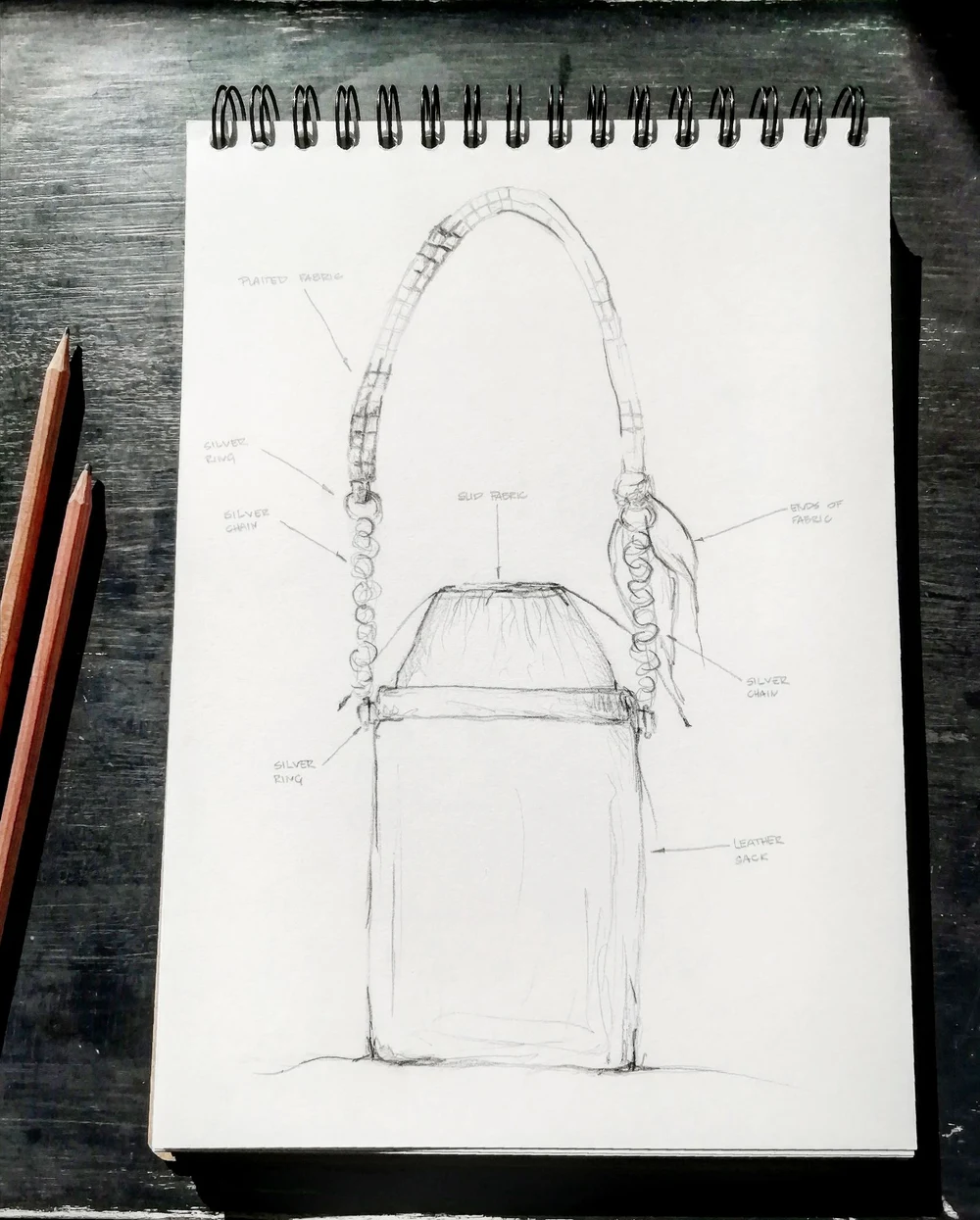
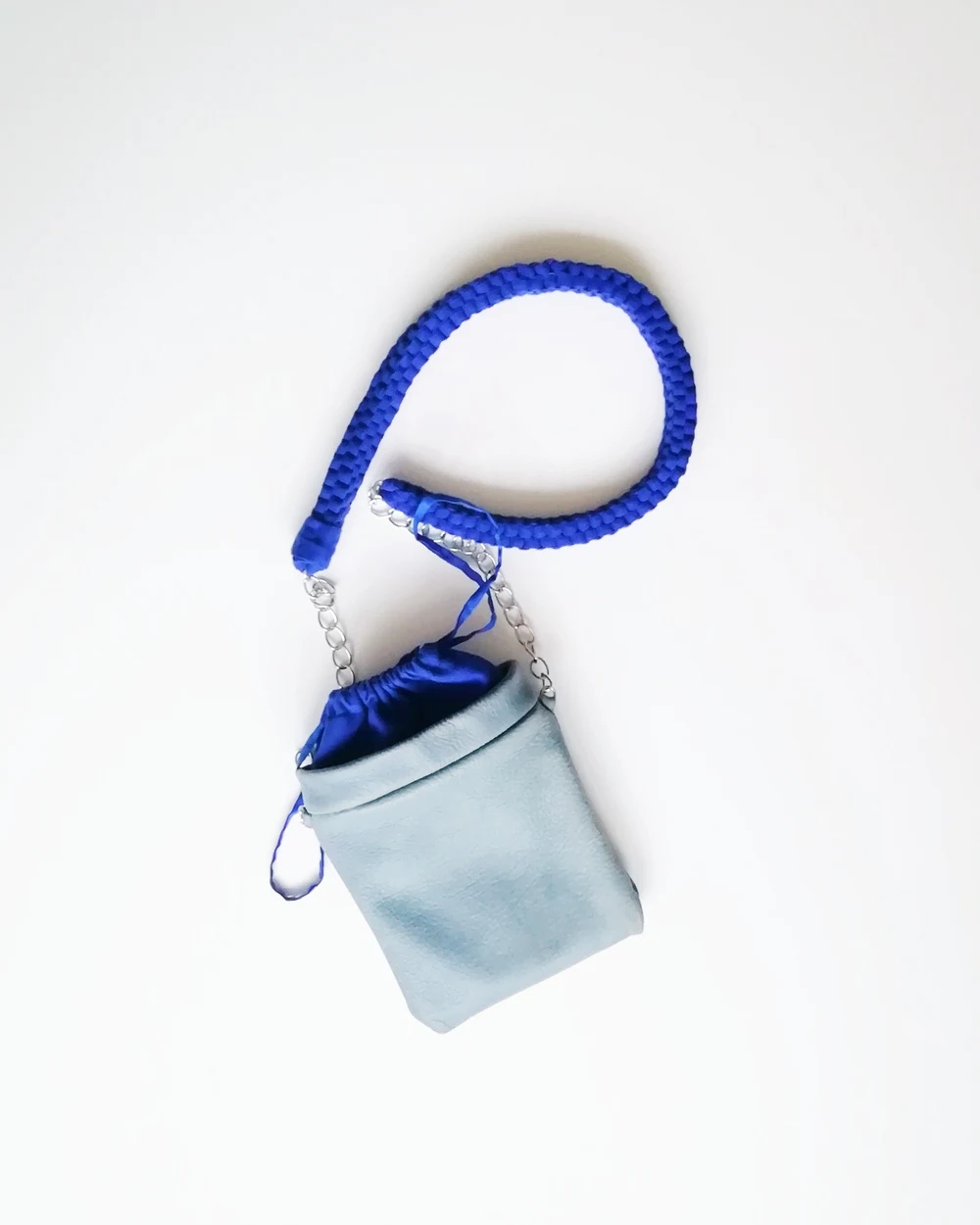
But because it now existed in front of me, I also knew much more clearly what I wanted to change. The first project helped me create the next one. There are more finished pieces in my gallery.
My first silk painting taught me this too. I loved colour. So naturally, I wanted more of it. And sometimes I put far too much dye into the silk.
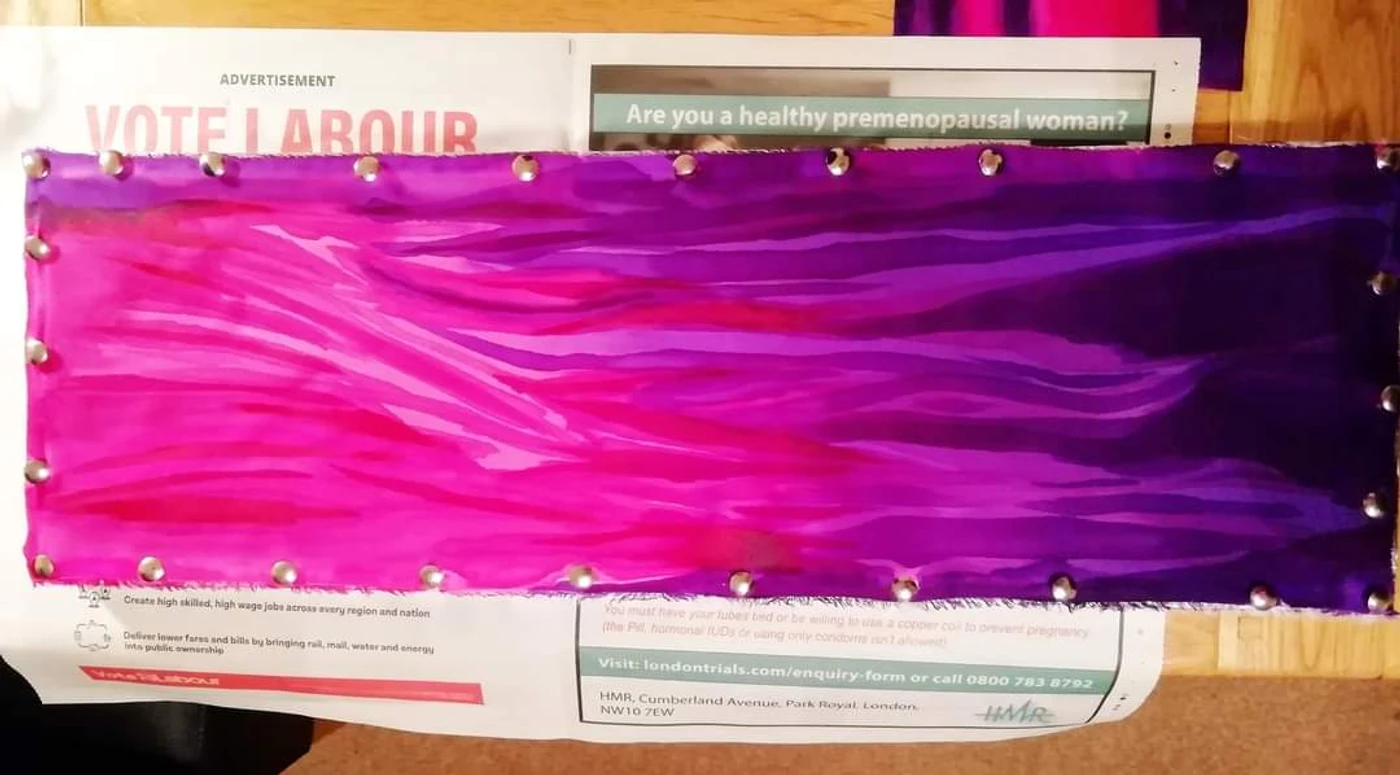
It looked incredibly vibrant while I was working. Then I washed it. And it bled. And bled. And kept bleeding. By the end, some of those beautiful intense colours I had been so excited about were gone.
That was when I realised something very practical: even silk has a limit to how much it can absorb. 😉
I could have decided: “I’m obviously not good at this.” Instead I had learned something. Next time I understood the material better, which is most of what my silk painting courses are really teaching. And wanting to create the next piece was stronger than the disappointment of the one that had not worked exactly as I hoped.
Sometimes I took a little break after a project I did not love. That was fine too. It gave me time to think. Then I came back with another idea.
There is a funny contradiction in the way we think about handmade things. We often admire them precisely because they are handmade. They have little differences. A line may not be perfectly straight. Two shapes may not be identical. Something may sit slightly differently from the way a machine would make it.
That uniqueness is part of the beauty. Then we sit down to make something ourselves and suddenly demand factory perfection. Why?
Perfect does not really exist in handmade work. And I think some of the most beautiful things live in those little imperfections. They show that somebody was there. Somebody made decisions. Somebody changed their mind. Somebody solved a problem. Somebody’s hands made it.
People can often tell when something has been made with joy. So give yourself that freedom first. Experiment. Play. Make something strange. Choose the colour somebody else would not choose. Try the idea you are not sure about.
This is your moment. Nobody else’s. You do not have to show the finished piece to anybody. You do not need approval. You do not need to turn it into a business. You do not even need to keep it forever.
You are allowed to create simply because creating feels good.
If somebody tells me: “I would love to make art, but I’m not artistic.” I think the first step is not choosing a brush. It is asking a few questions.
Knowing your reason changes the whole experience. Because suddenly the goal is not: “I need to prove that I am artistic.”
The goal might simply be: “I want to make something.”
And that is enough reason to begin.
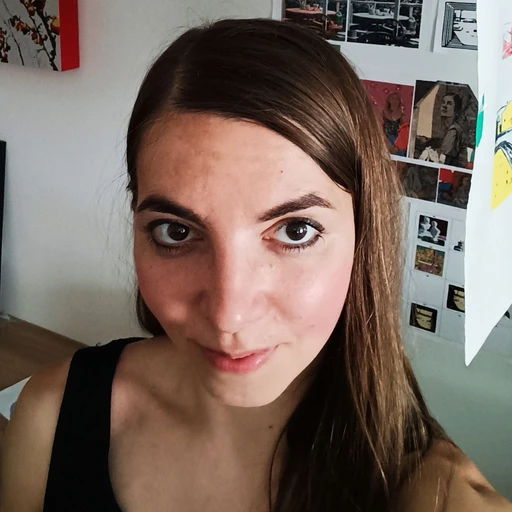
Ania has painted silk for over a decade and enjoys teaching, experimenting with techniques and helping others develop their creativity.
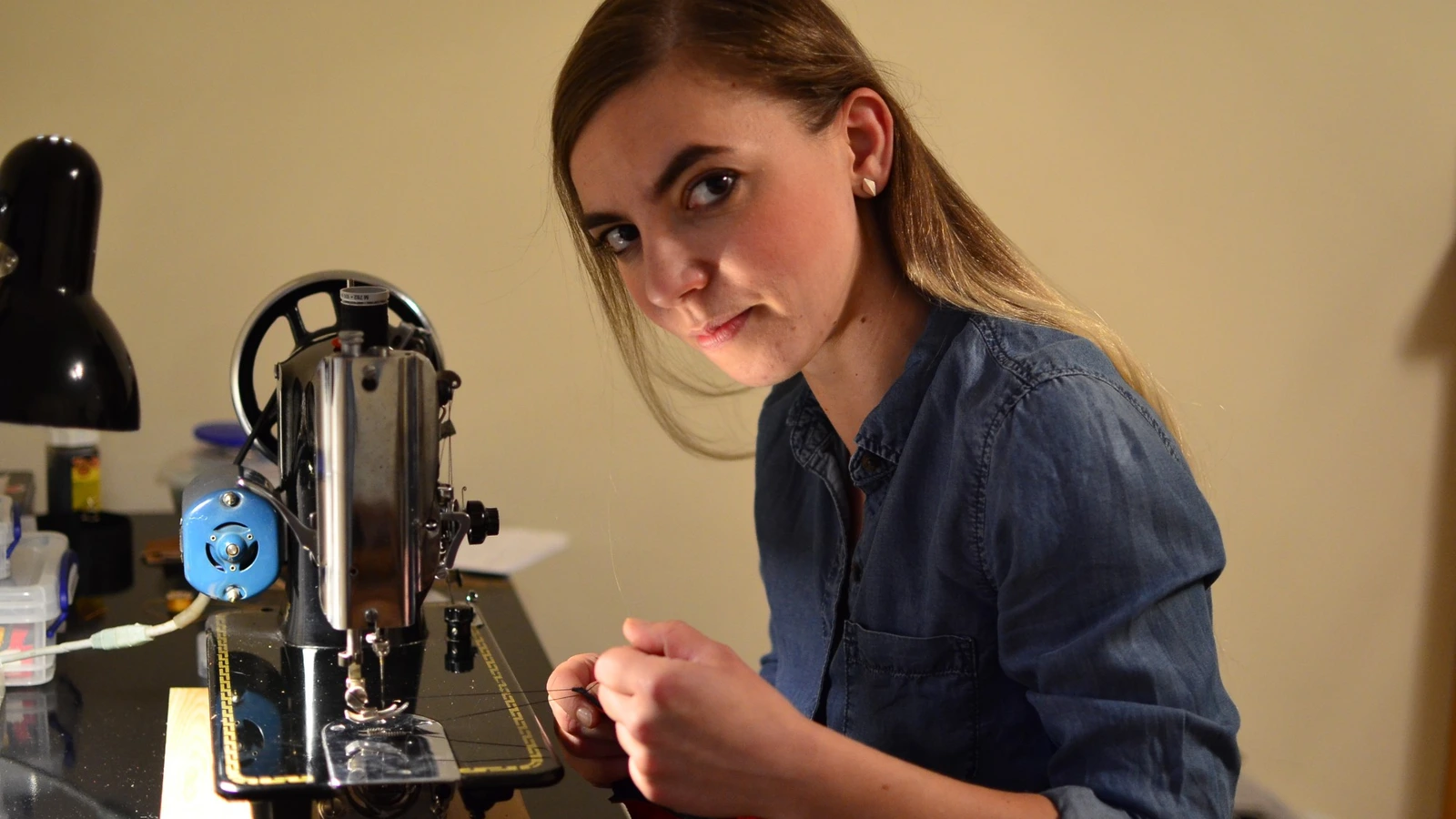
Creative Hobbies
How to pick a creative hobby that fits your personality, your time and your life, and that you will still want to come back to.
Read Article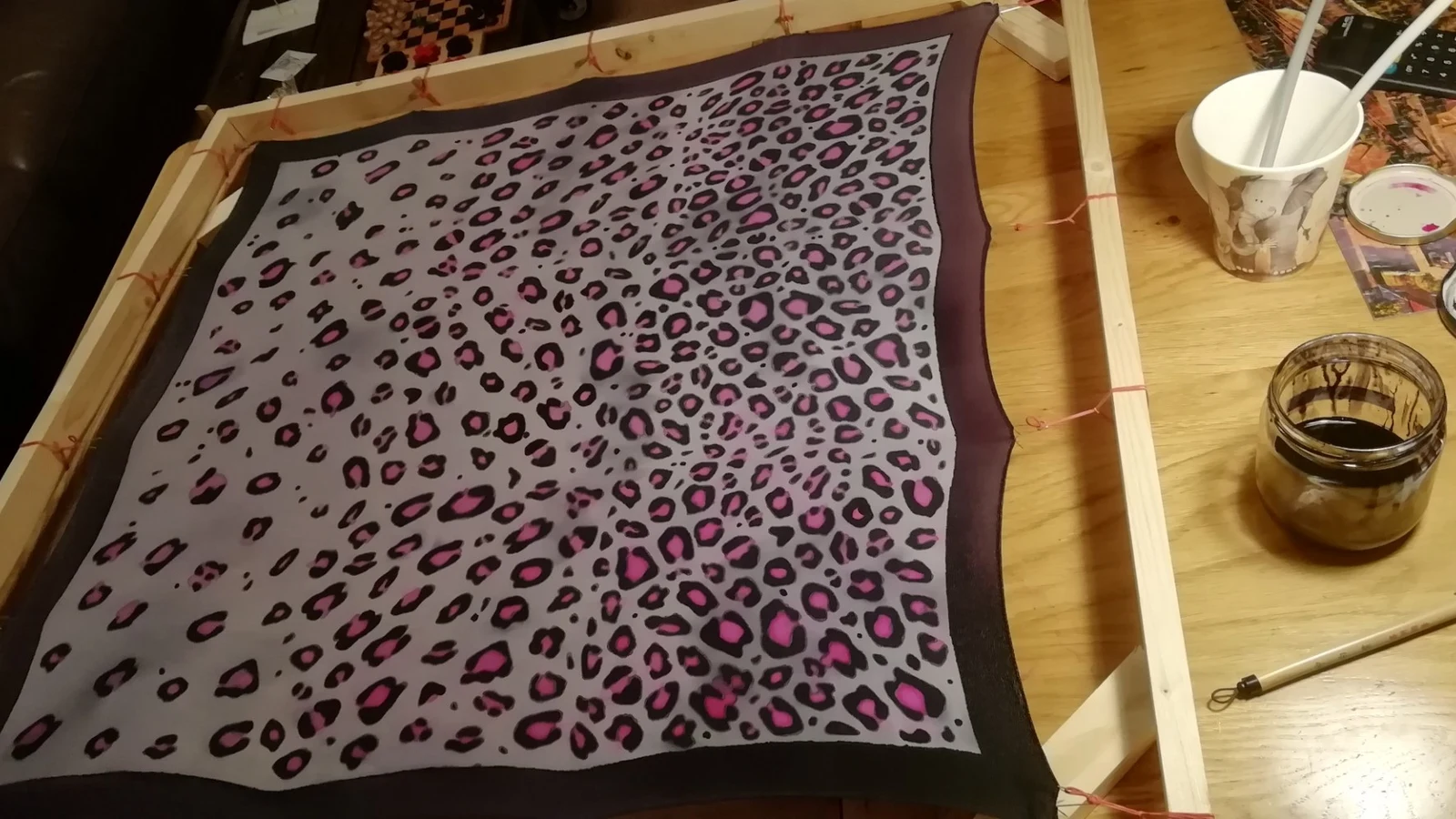
Creative Hobbies
Ways to spend an evening away from a screen, and how to make a creative hobby easy enough that you actually start it.
Read Article
Time Together
Why an ordinary afternoon making something with somebody can outlast a far more expensive day out, and how to choose what to do.
Read Article