Top 10 Essential Tools Every Silk Painter Needs
New to Silk Painting?
Don't waste money on the wrong supplies. Get our free Ultimate Starter Checklist to set up your studio for under £50.
Introduction
There’s something wonderfully soothing about watching rich, luminous paint bleed across fine silk — a slow, meditative process that rewards patience with wearable art and keepsakes. Whether you’re dipping your toes into a new hobby or searching for a thoughtful gift for a younger relative, knowing the right silk painting tools makes all the difference. In this guide we’ll cover the top 10 essential silk painting supplies every beginner needs, helping you start confidently and create beautiful pieces from day one.
Why the right tools matter
Silk painting is deceptively simple: a few basic techniques can produce stunning results. But using poor-quality materials can lead to frustration — colours that don’t flow, paint that feathers, or designs that won’t set properly. Investing in the right silk painting tools ensures better control, smoother colour application, and a more relaxing, rewarding experience.
Top 10 essential silk painting tools
1. Quality Habotai or Crepe de Chine silk
Fabric is the heart of silk painting. Habotai (also called China silk) and Crepe de Chine are popular choices for beginners. Habotai is smooth and affordable, perfect for scarves and practise pieces. Crepe de Chine has a slightly textured finish and richer drape for wearable items.
- Choose 8–19 momme weight depending on the project (10–14mm is versatile).
- Pre-wash or steam if recommended by the supplier to remove finishes.
2. Silk paints or dyes
Silk-specific paints and dyes are formulated to bond with silk fibres and give vibrant, transparent colour. Look for products labelled for silk painting — they’re easier to dilute and blend than general textile paints.
- Water-based silk paints are beginner-friendly and easy to clean up.
- Consider a starter set of primary colours plus black and white for mixing.
3. Gutermann or water-based resist
Resist helps contain paint and create outlines. Gutermann (also known as gutta) comes in tubes and is available in clear, black, and metallic tones. Water-based resists are less odorous and easier to remove in some techniques.
- Use resist for detailed work, outlining flowers, or creating cells for batik-style effects.
- Practice applying consistent lines — thickness affects how paint spreads.
4. Stretching frame or frame pins and board
Stretching your silk keeps it taut and prevents paint from running unpredictably. A wooden or aluminium frame is ideal, but you can also use a simple foam core board and rust-proof pins for smaller pieces.
- Stretch evenly and tie or pin securely to avoid sagging while painting.
- Portable frames are great if you like to work in different rooms or take your hobby on holiday.
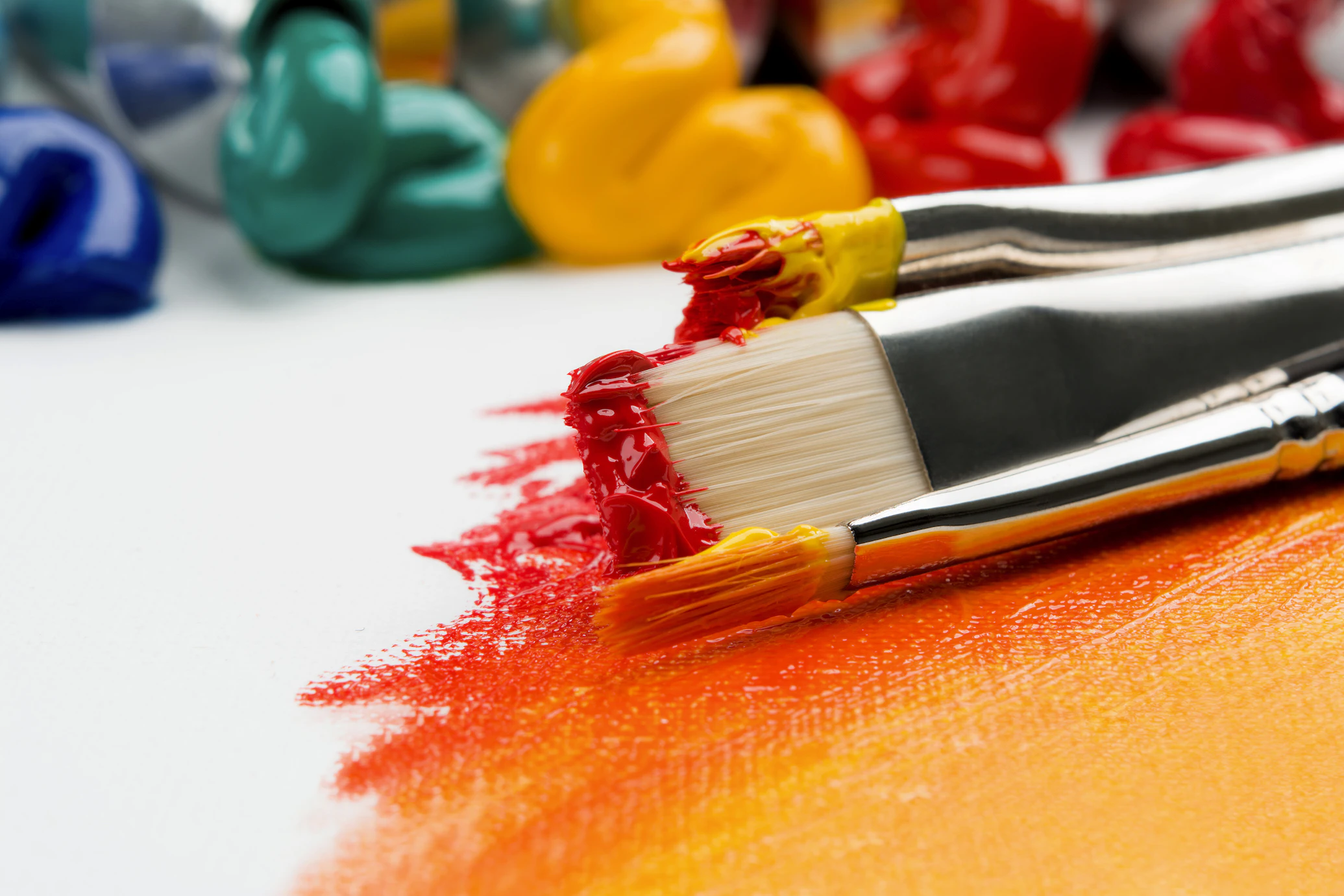
5. Brushes for silk painting
Brushes designed for silk painting have a fine point and good liquid capacity. Sable or synthetic sable-style brushes work well for detailed lines, while wide mop brushes help lay down washes.
- Sizes to consider: small round (for detail), medium round (general work), and 1"–2" mop (washes).
- Keep a jar of water and a soft cloth for cleaning and controlling moisture.
6. Watercolour palette or mixing trays
A clean, shallow palette for mixing your colours is essential. Ceramic or plastic palettes designed for watercolours work perfectly for silk paints and allow you to see true hues and dilution levels.
- Mix small amounts at a time; silk paints can behave differently once thinned.
- Label mixes if you need to recreate shades later.
7. Masking tape and ruler
Simple tools like masking tape and a ruler help you mark margins, create crisp borders, or protect areas you don’t want to paint. Low-tack tape designed for delicate surfaces prevents damage to fine silk.
- Use a metal ruler or T-square for straight edges on scarves and panels.
- Test tape on a scrap first to ensure it won’t pull fibres.
8. Sponges and soft cloths
Soft sponges and lint-free cloths are indispensable for dabbing excess paint, softening edges, or creating texture. Natural sea sponges produce organic patterns; microfibre cloths are great for blotting.
9. Fixative or steam set-up
To make your design permanent and washable, most silk paints need setting. Some require a cold-water fixative; others need steaming. Check your paint manufacturer’s instructions and have the correct method ready.
- Home steaming can be done with a domestic steam iron (on a low setting) or a steamer — follow safety guidance.
- Fixatives help protect colours but always test on a scrap first.
10. Storage boxes and labels
Organised storage makes crafting more enjoyable. Keep paints in airtight containers, resist in a cool place, and label mixed colours or test swatches. A small chest or divided box for brushes, pins, and tools keeps everything within reach.
Bonus tips for beginners
- Start with a small, simple project like a 20cm scarf to build confidence.
- Practice control of water and paint — silk is more forgiving than paper but needs patience.
- Keep a scrap silk piece for testing blends and resist behaviour before working on your main piece.
- Join a local group or online community for inspiration and friendly feedback.
What do you need for silk painting — final checklist
Here’s a quick recap of the silk painting supplies to get you started:
- Habotai or Crepe de Chine silk
- Silk paints or dyes
- Gutta or water-based resist
- Stretching frame or pins and board
- Assorted brushes (detail and mop)
- Palette or mixing trays
- Masking tape and ruler
- Sponges and soft cloths
- Fixative or steam set-up
- Storage boxes and labels
Conclusion
Silk painting is a gentle, creative hobby that invites experimentation and mindfulness. With the right silk painting tools and a little practice, you’ll be surprised how quickly you can produce beautiful, personalised pieces. Equip yourself with quality supplies, take your time learning techniques, and most importantly — enjoy the process.
Ready to start? Explore practical step-by-step lessons, project guides, and materials advice in our Crafty Damsel silk painting courses. Find the perfect course for you or gift one to a loved one at /courses.
Ready to Start Your Silk Painting Journey?
While articles are great, nothing beats seeing the techniques in action. Join our comprehensive video course designed specifically for beginners.